Period 8 House (2022-2025)
New Single Family Residence, Gallatin TN
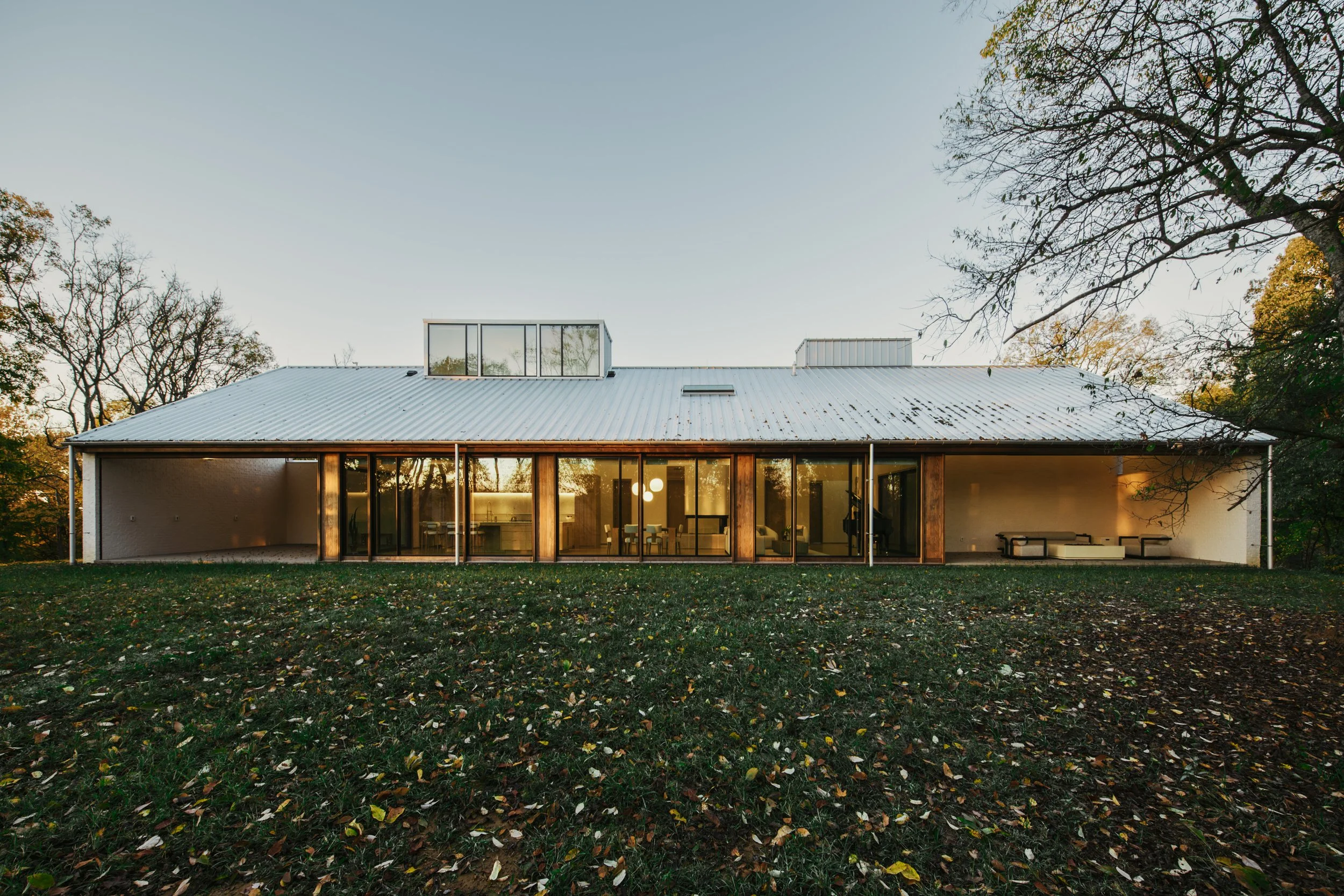
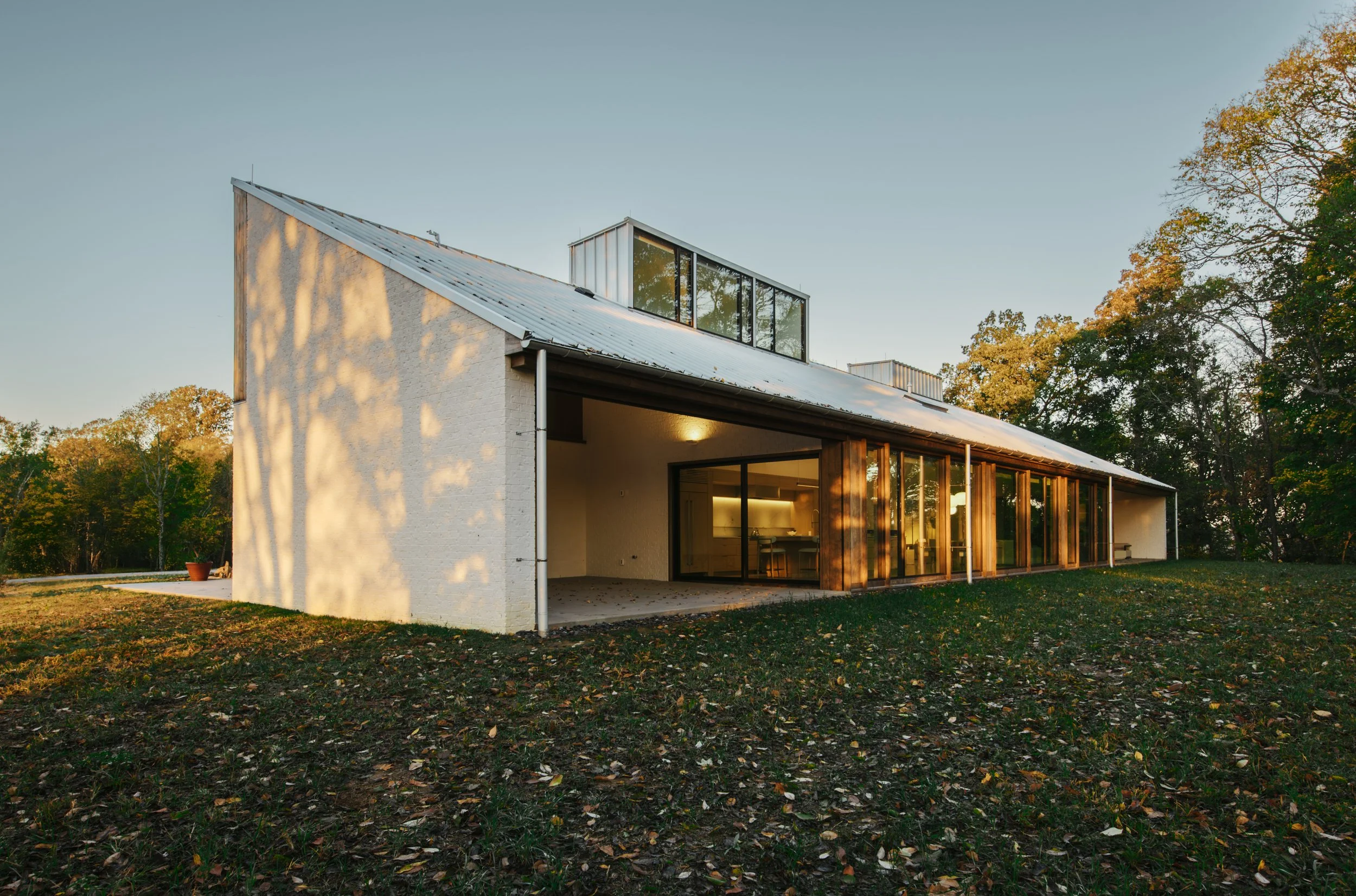
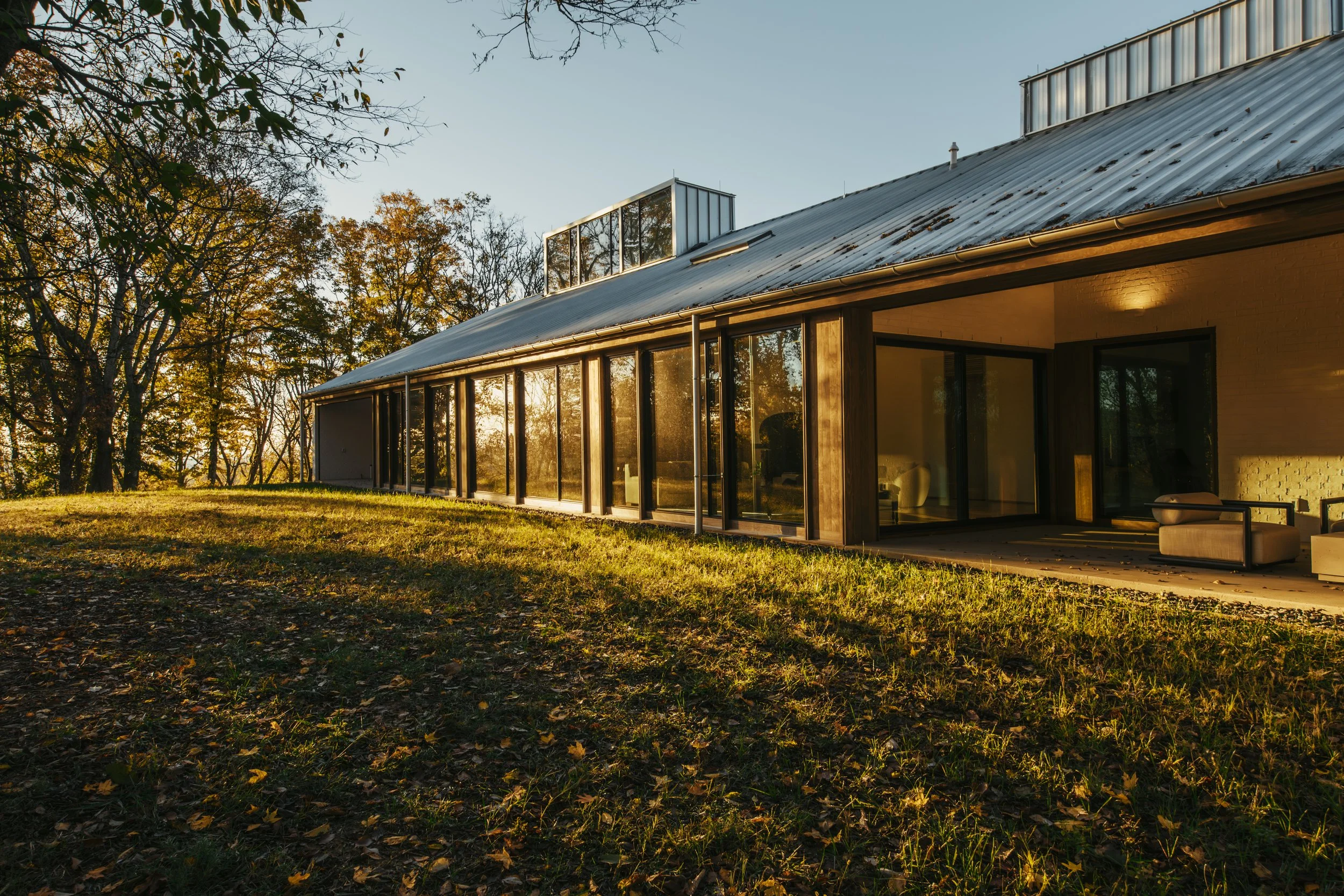
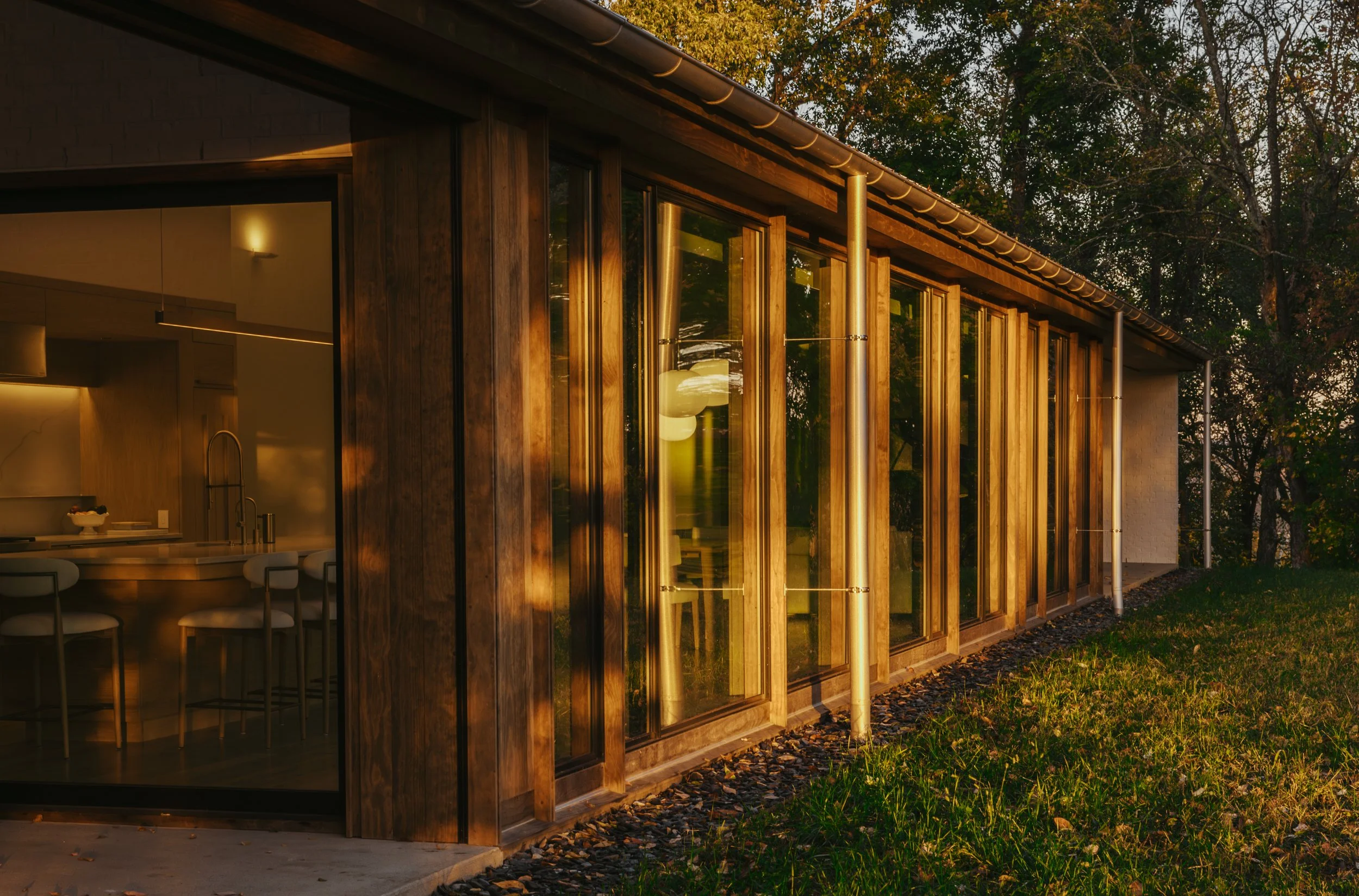
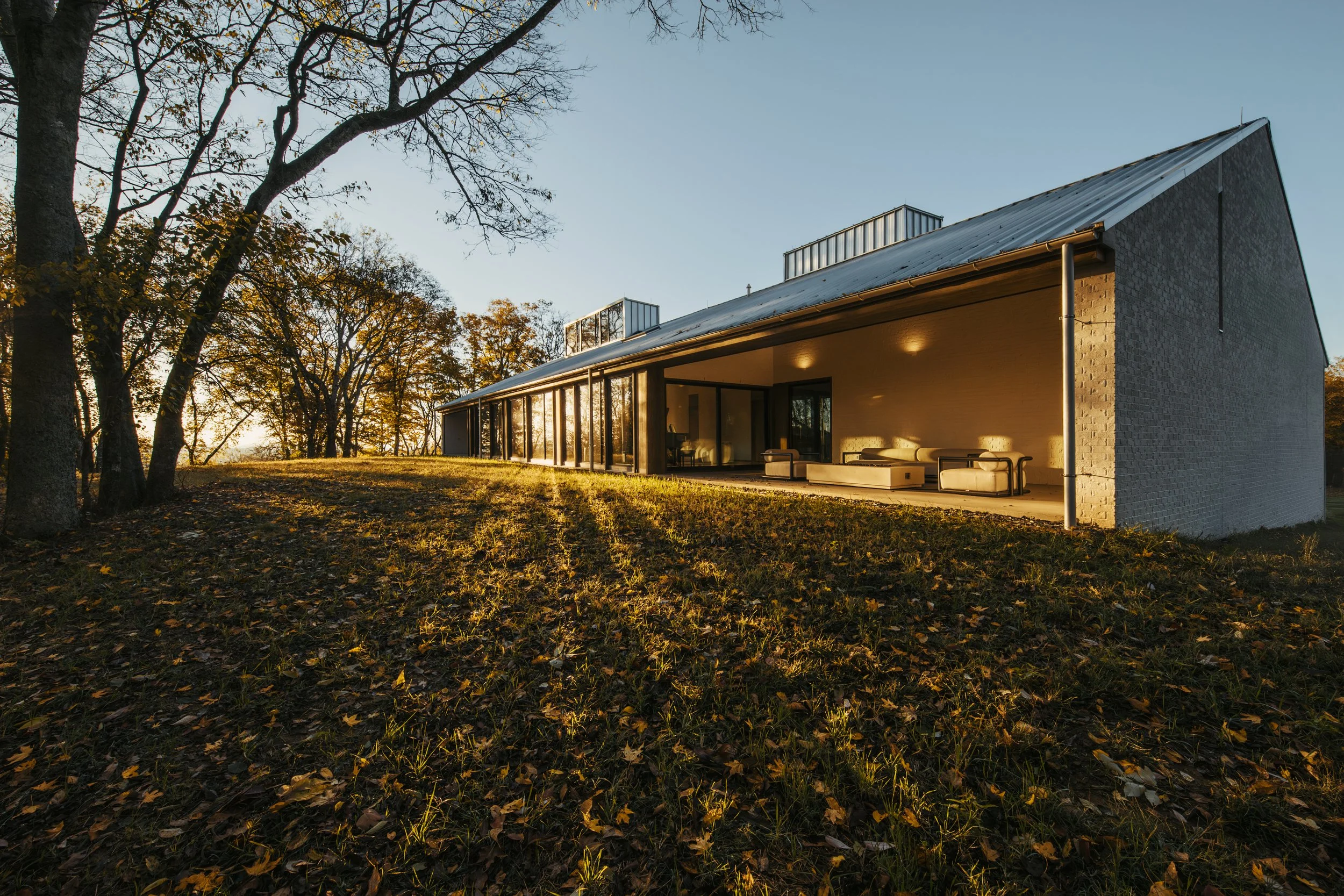
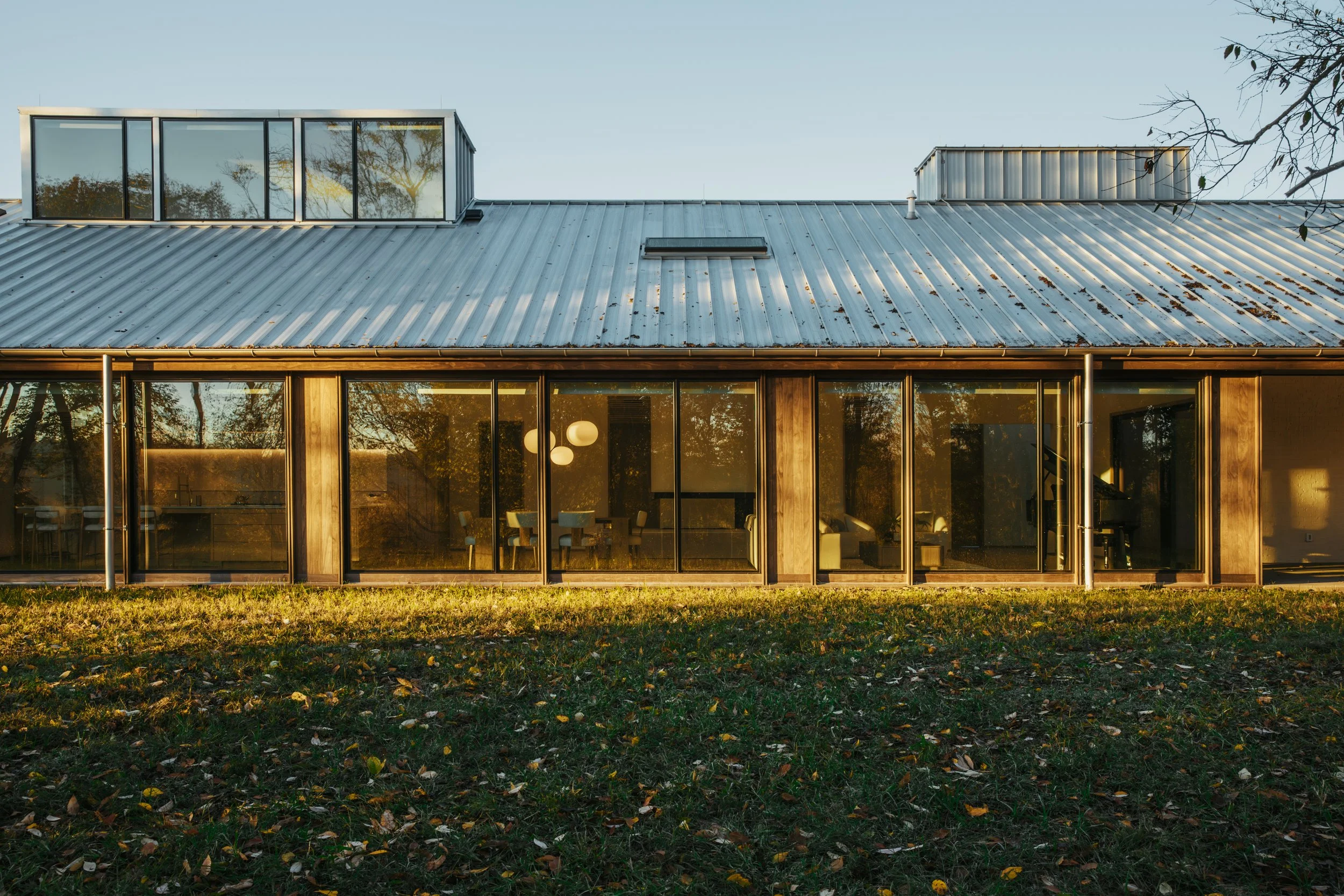
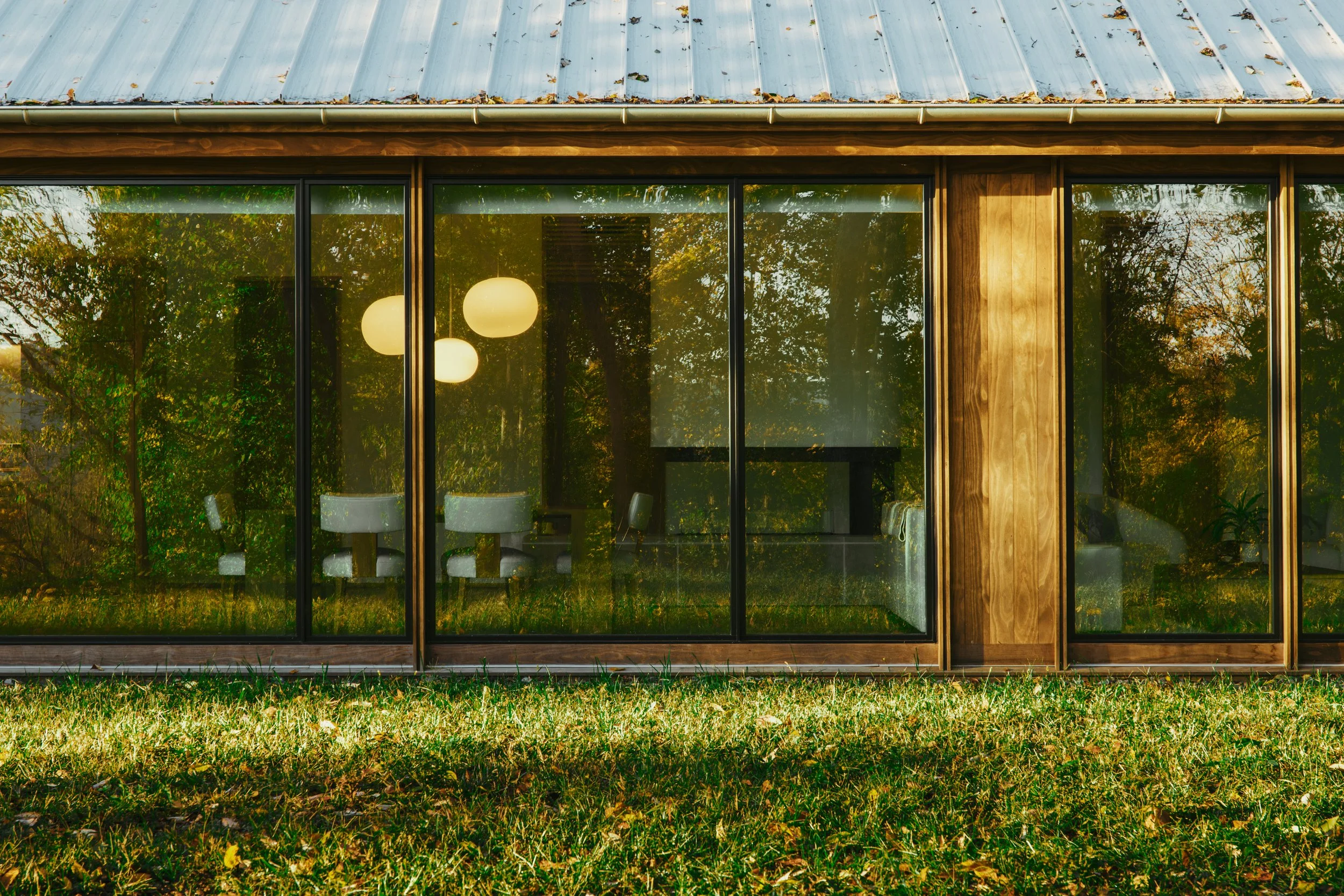
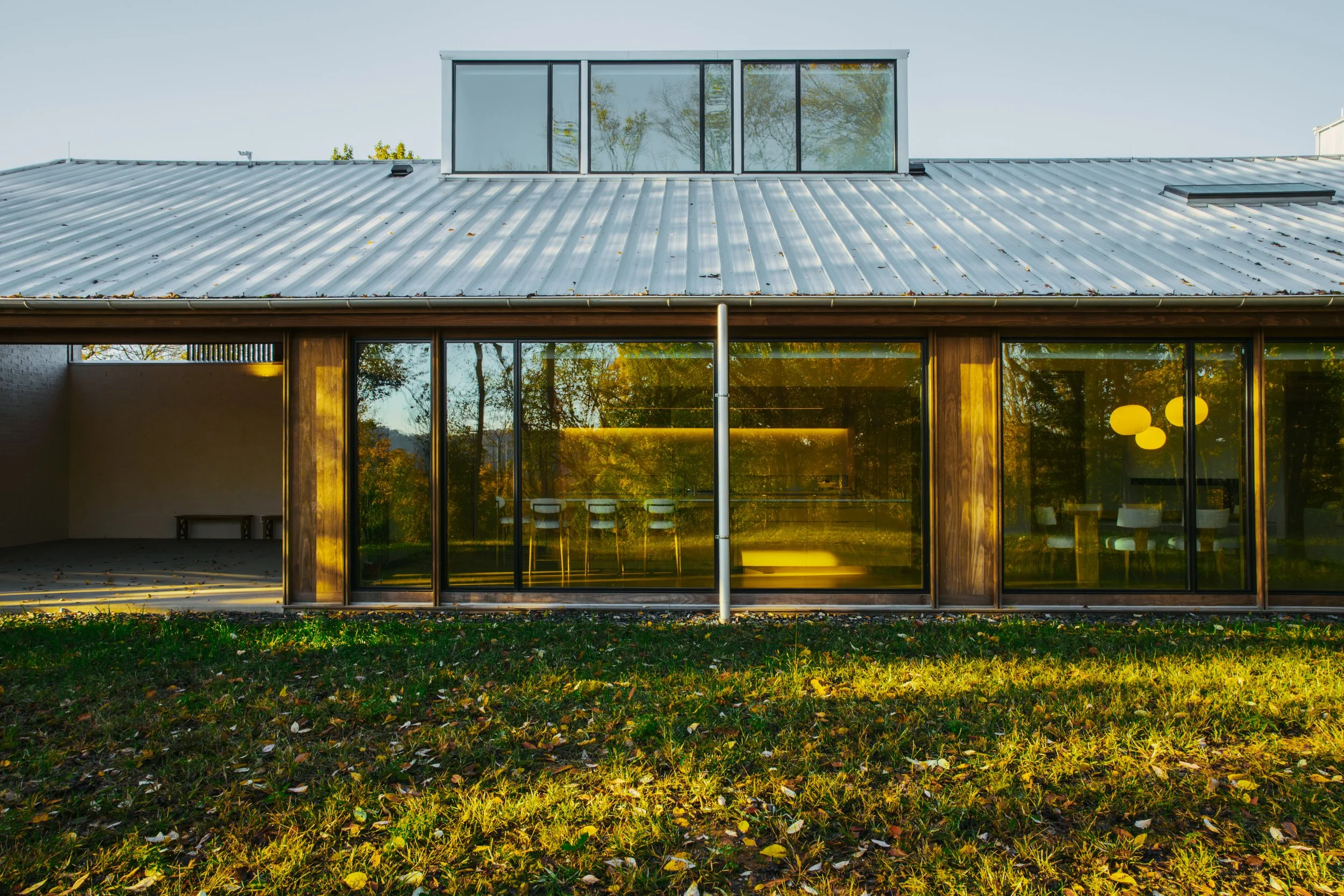
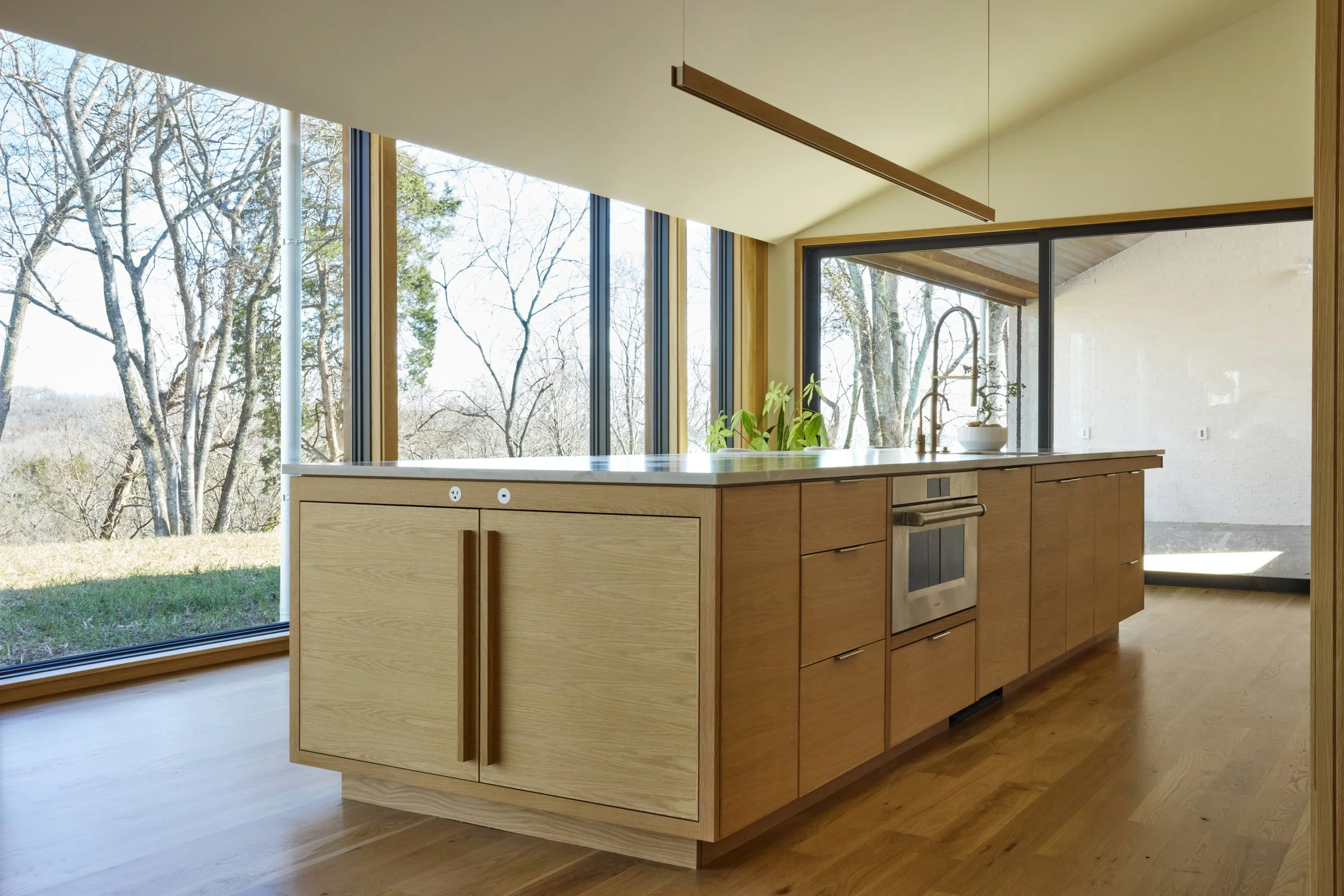
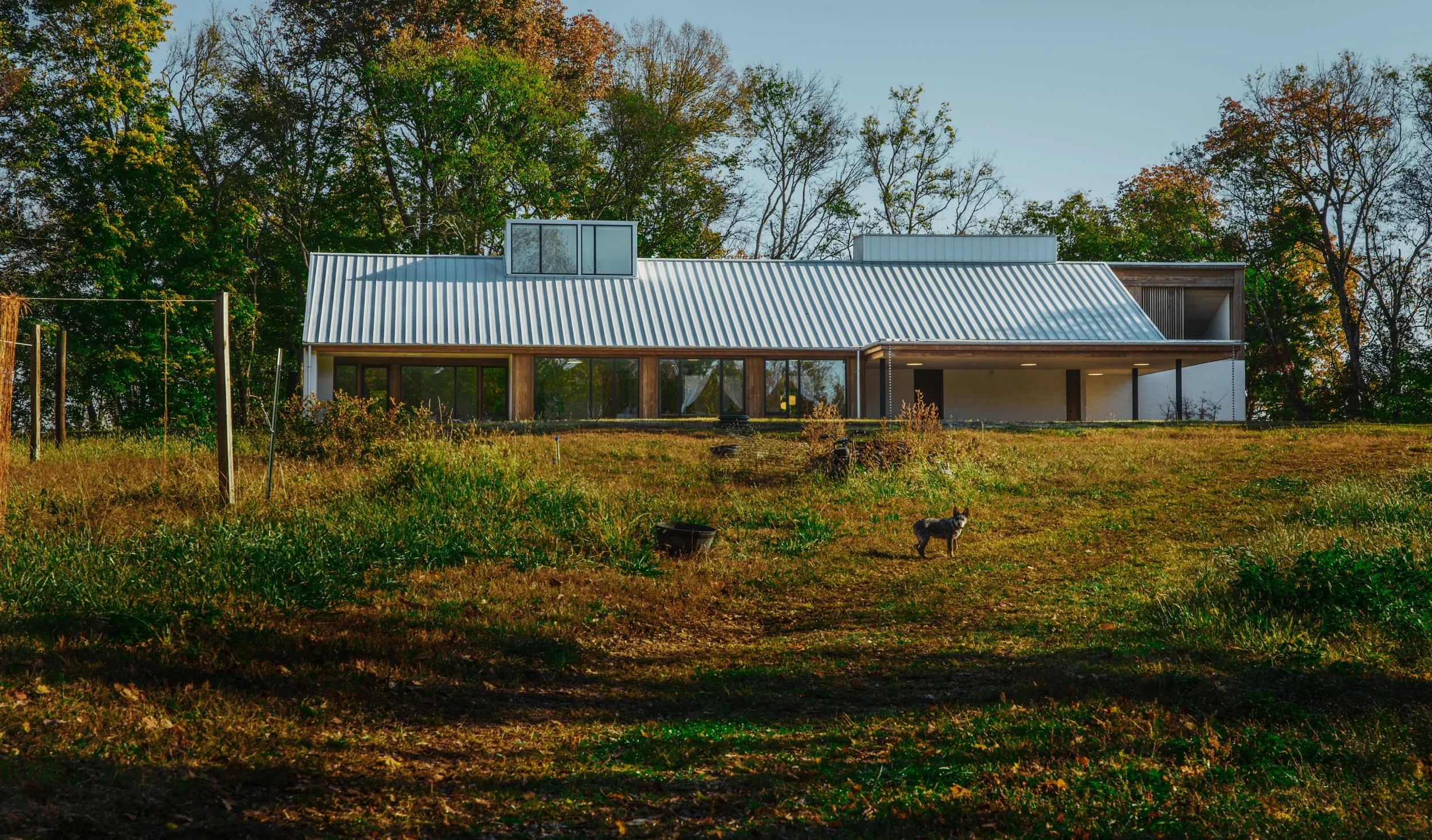
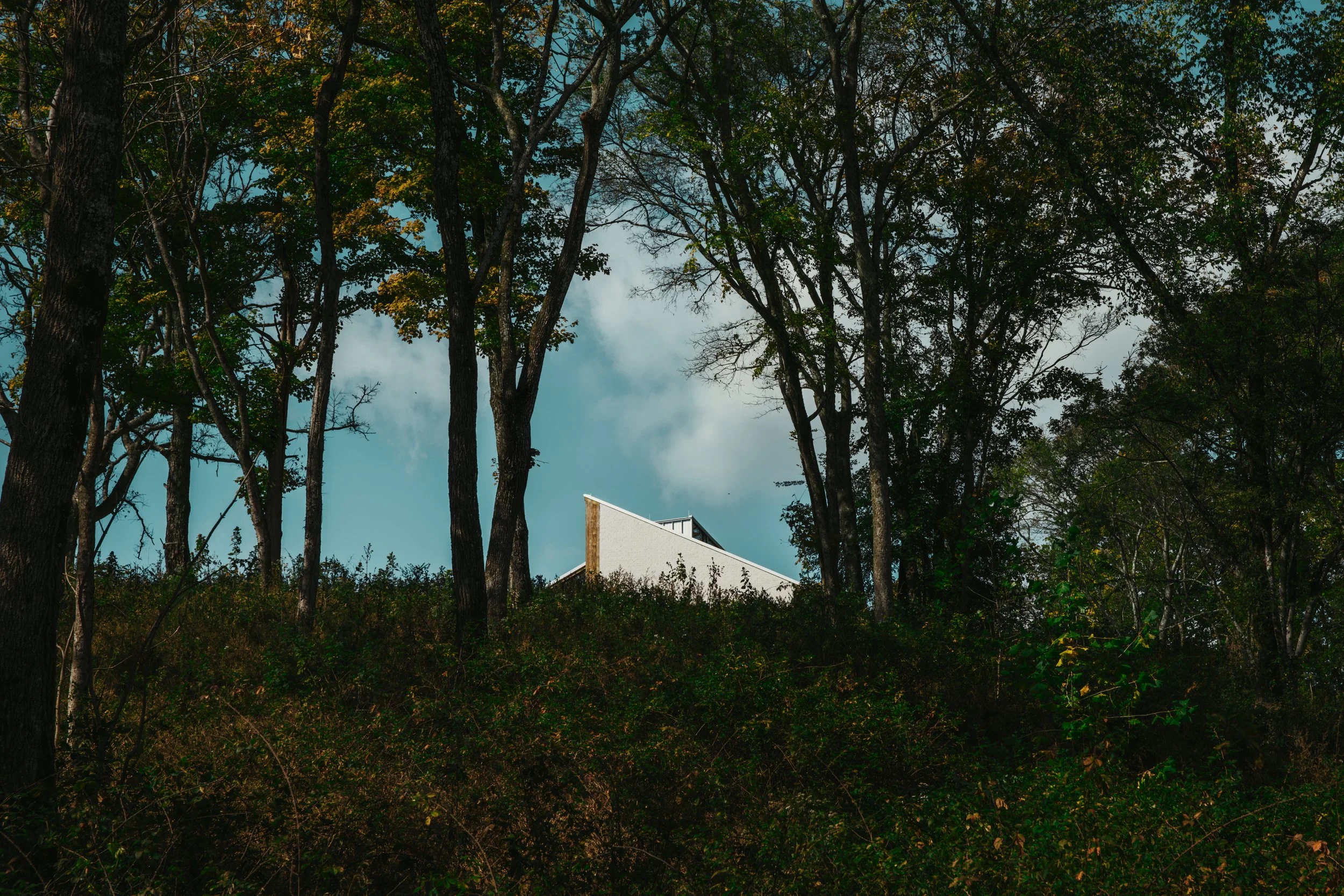
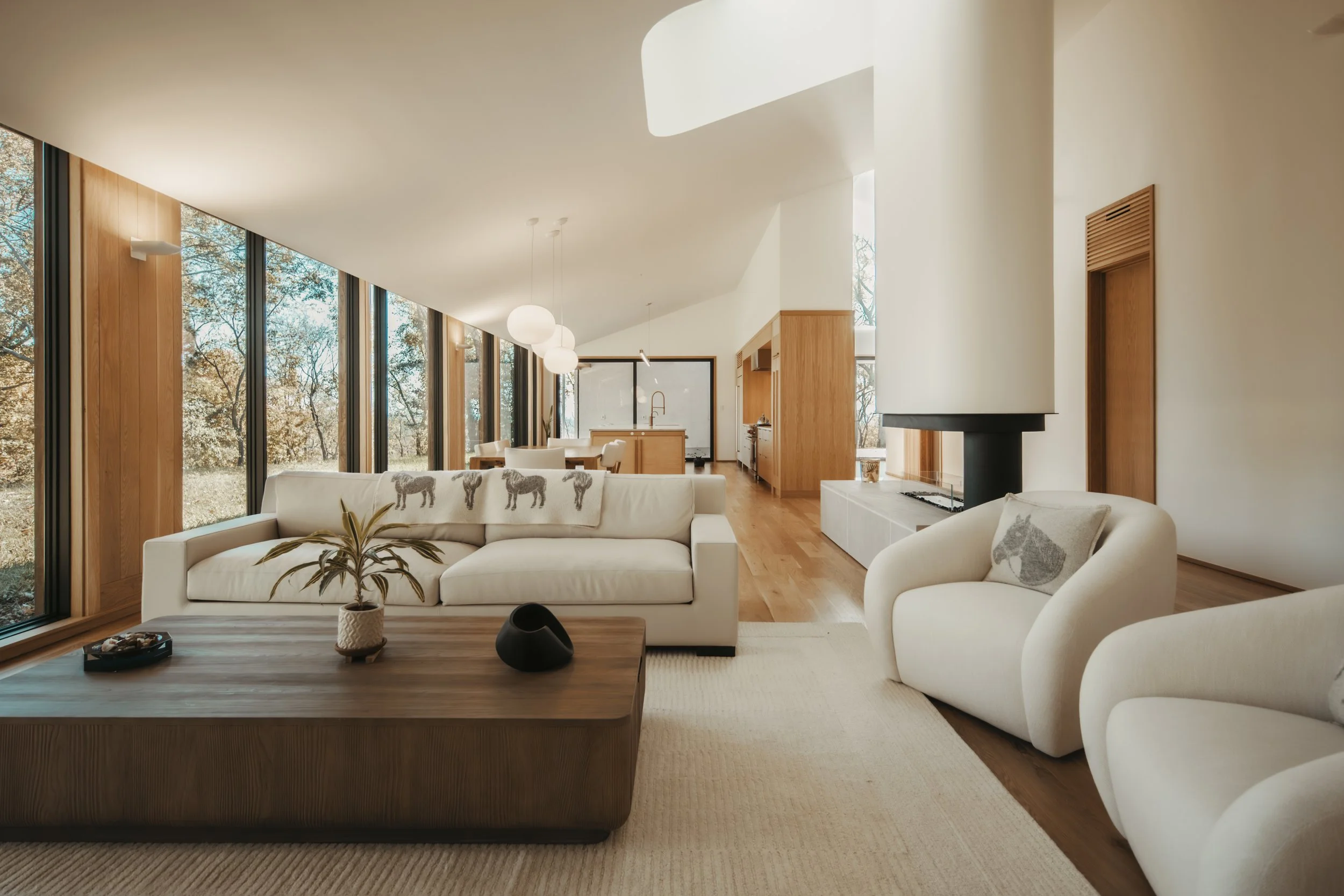
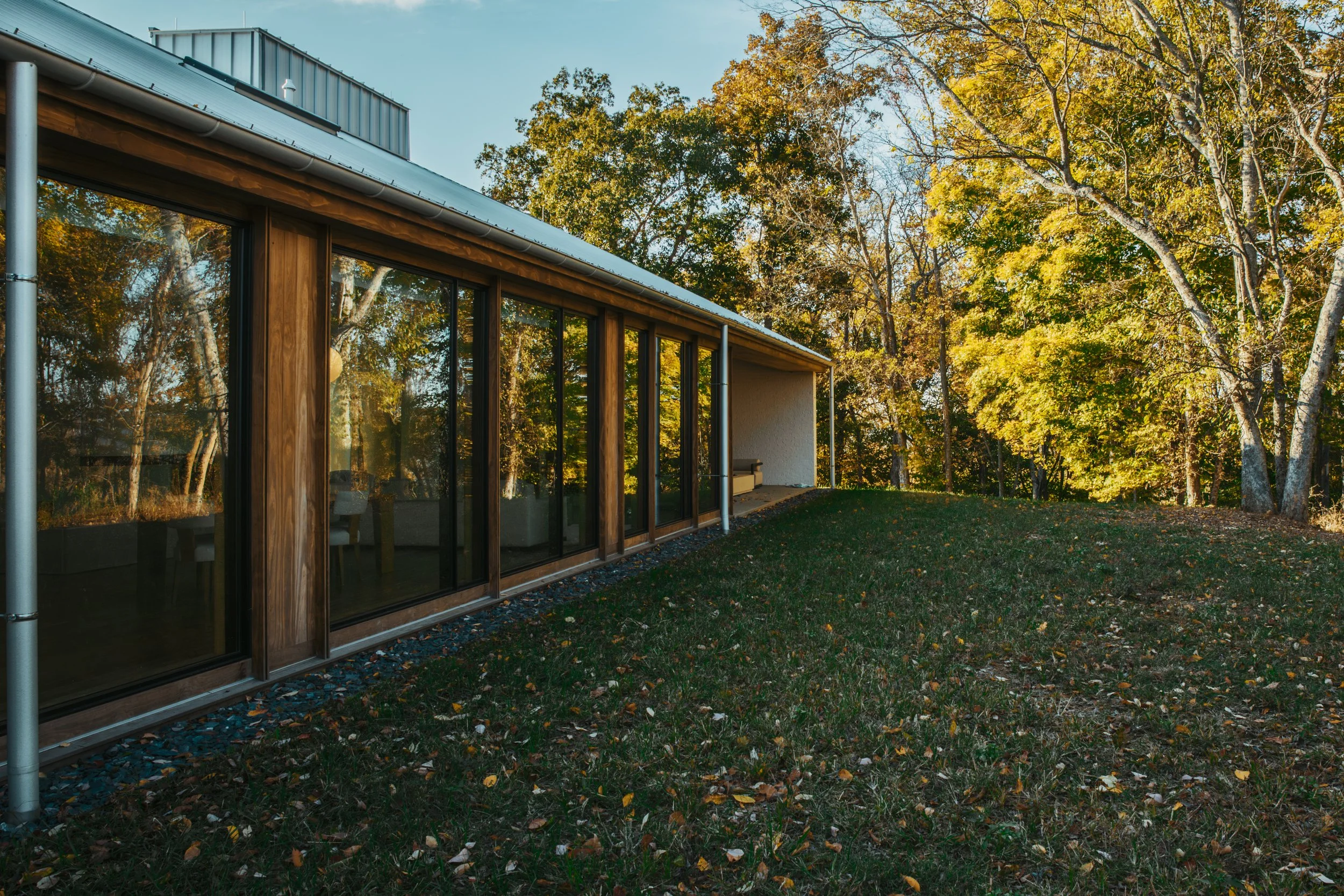
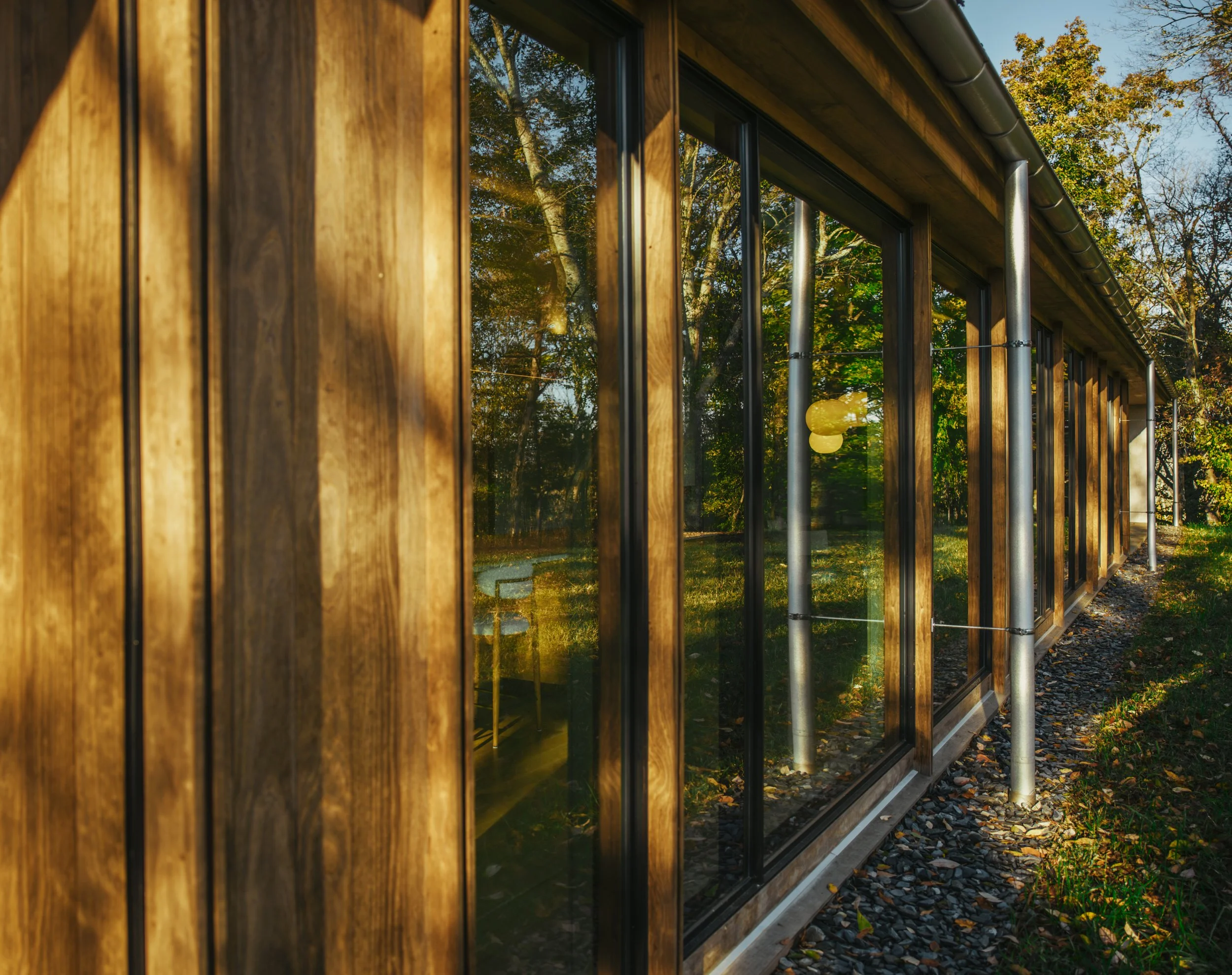
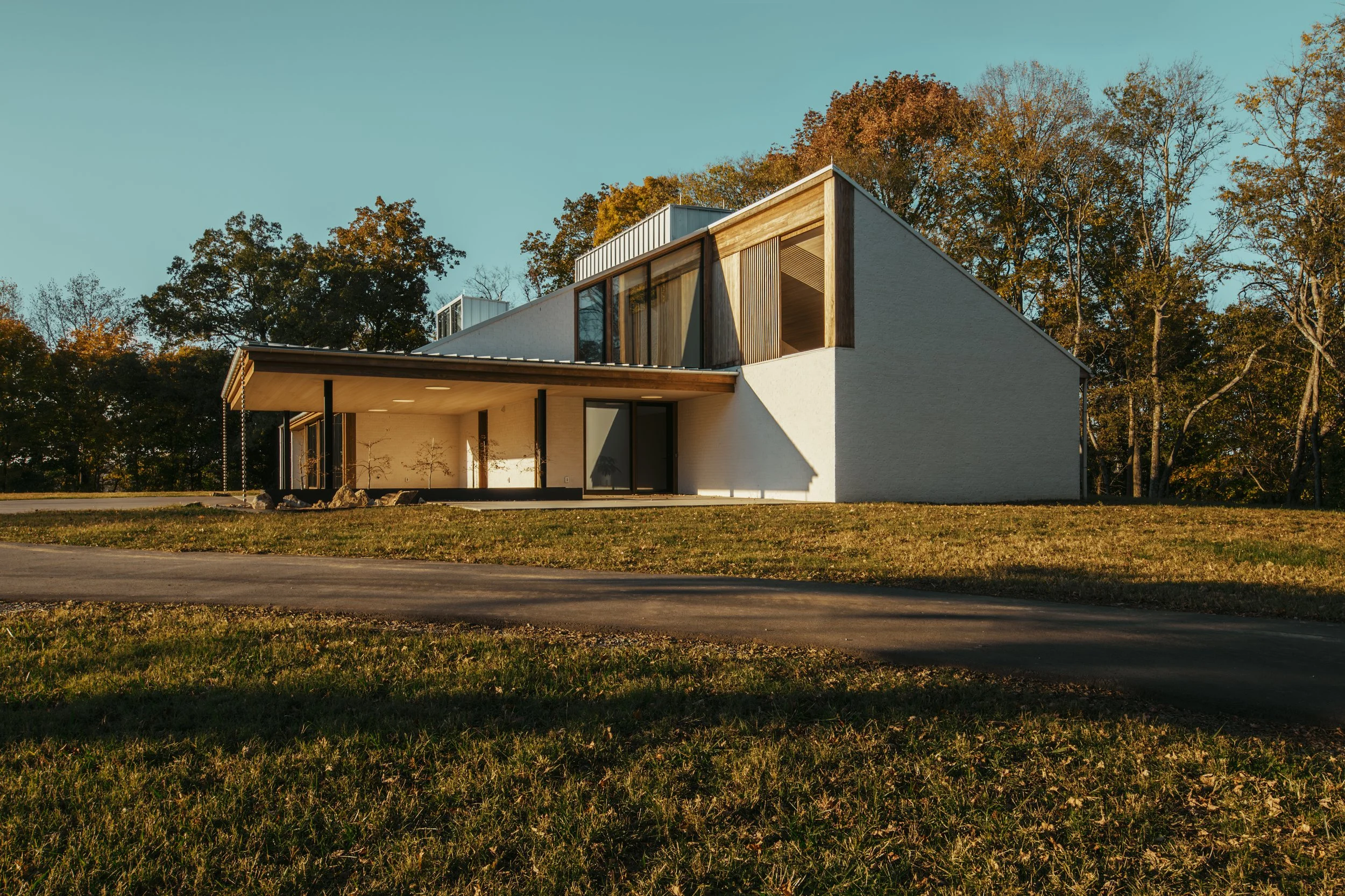
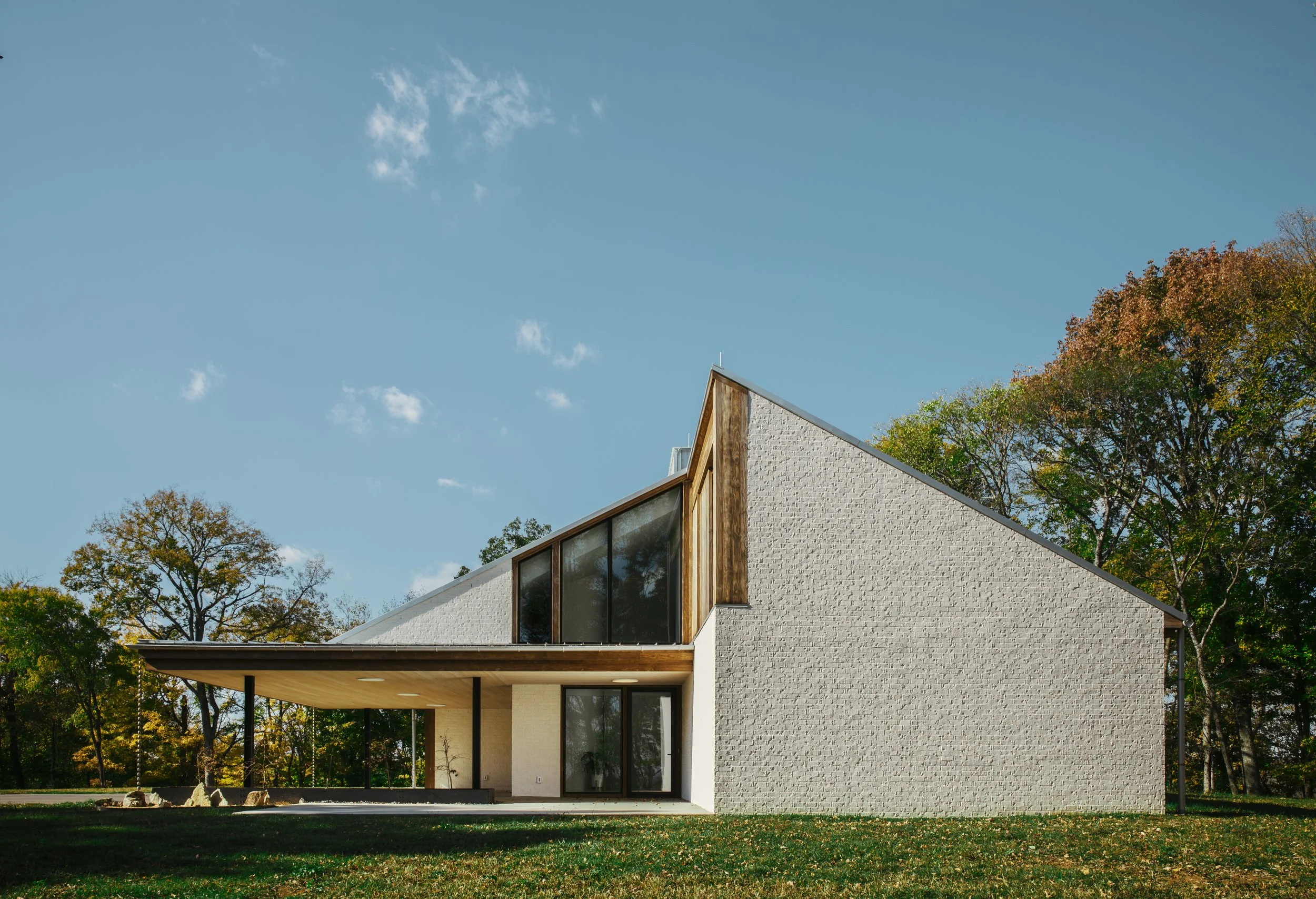
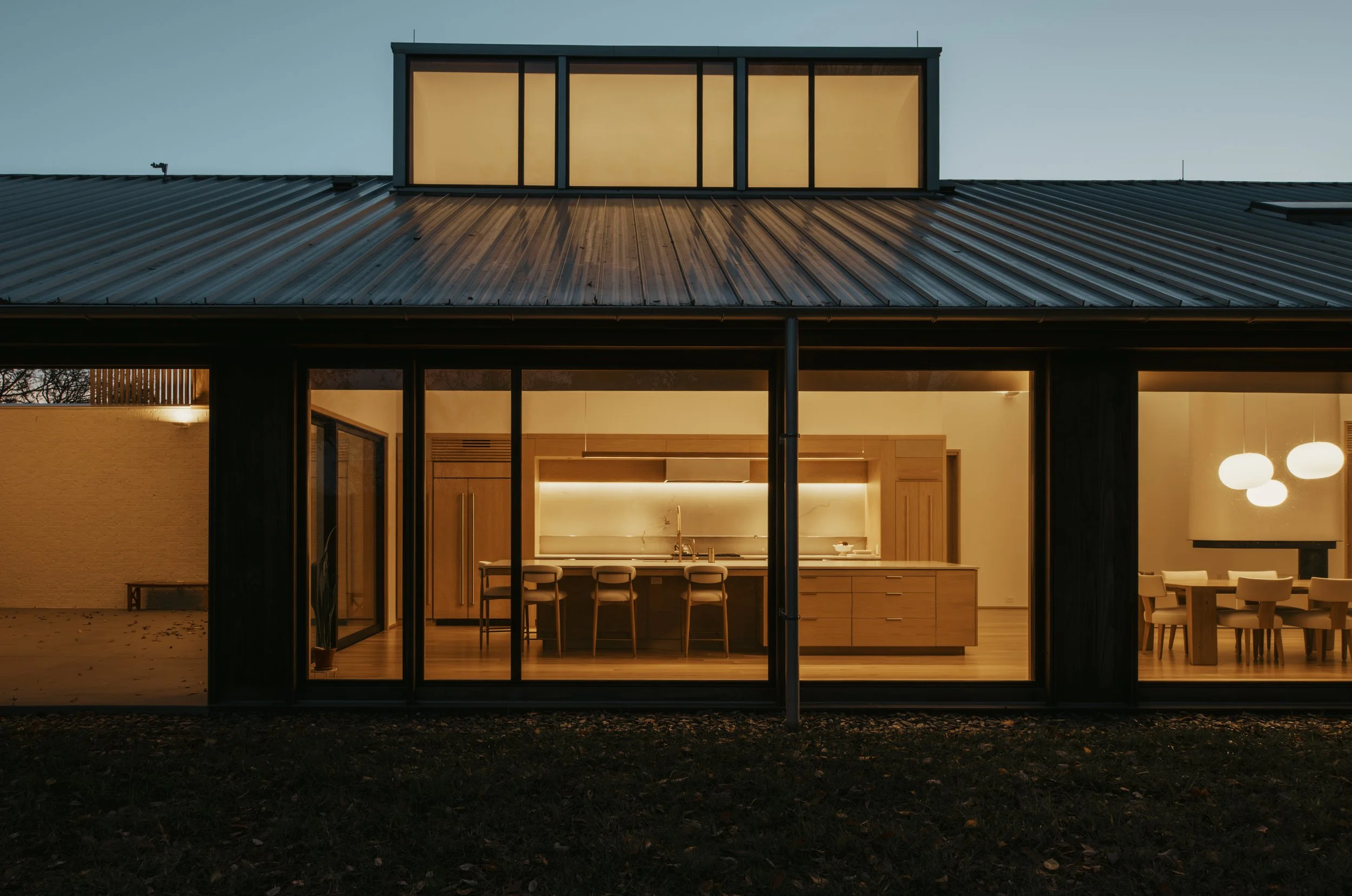
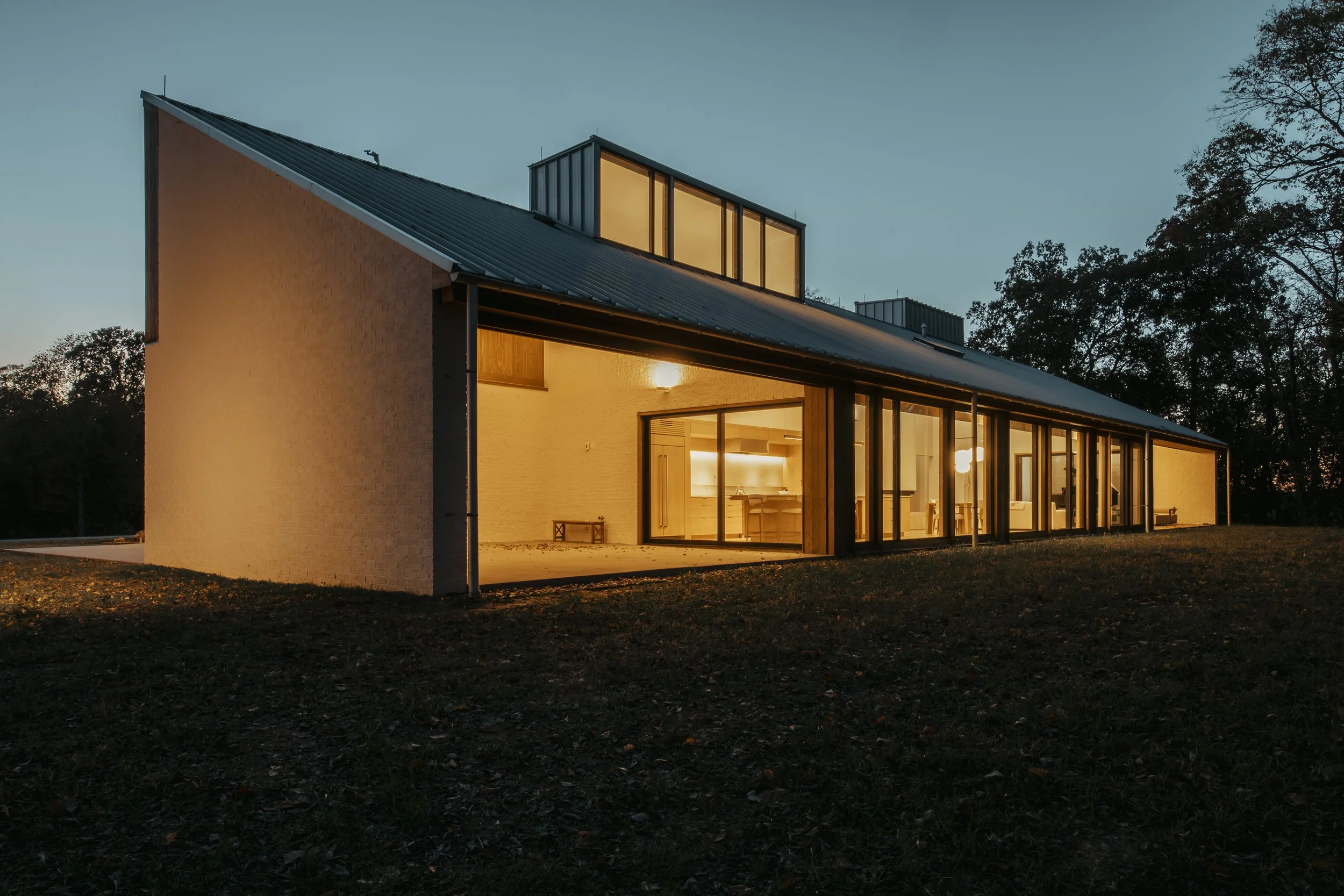
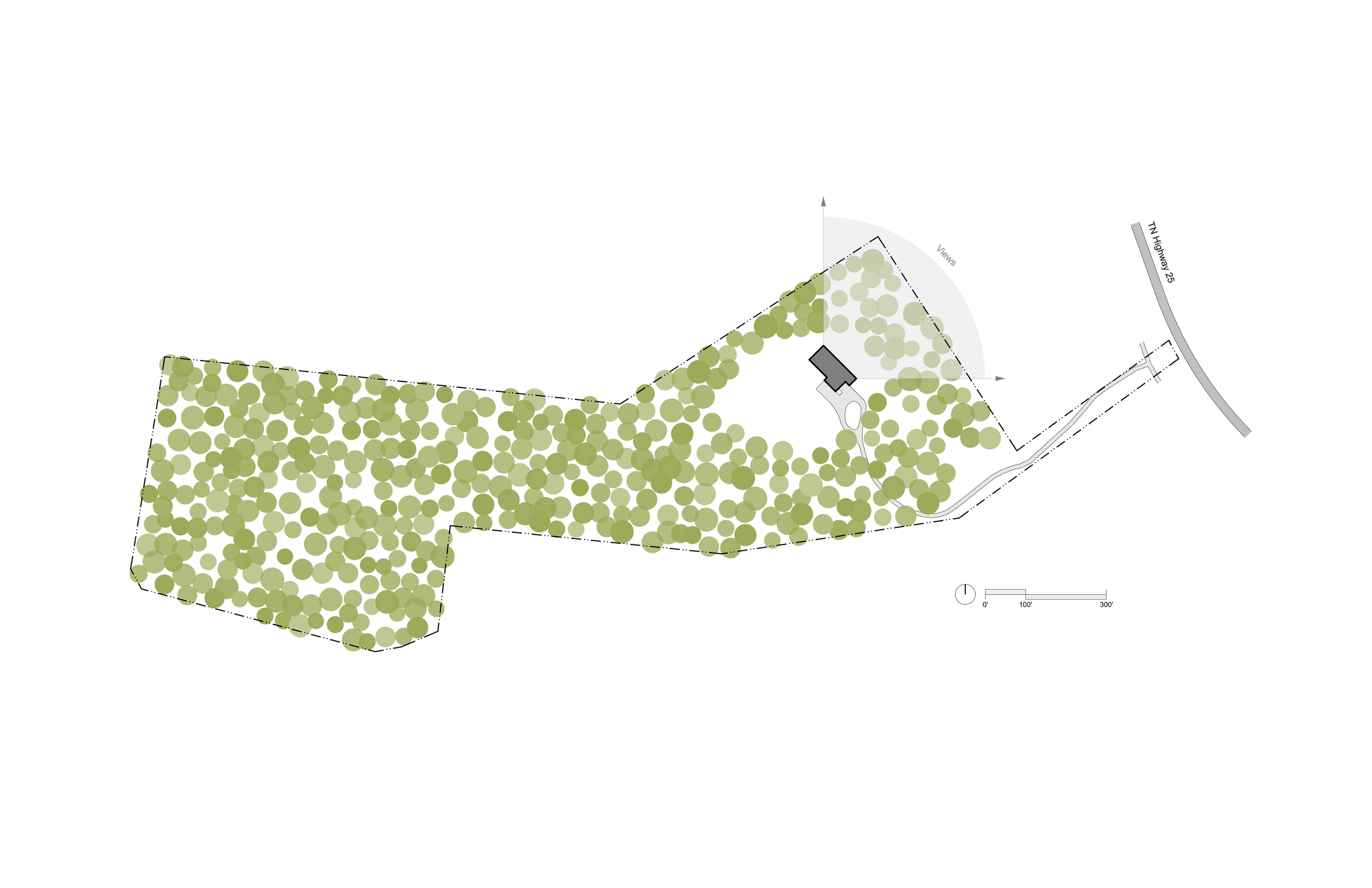
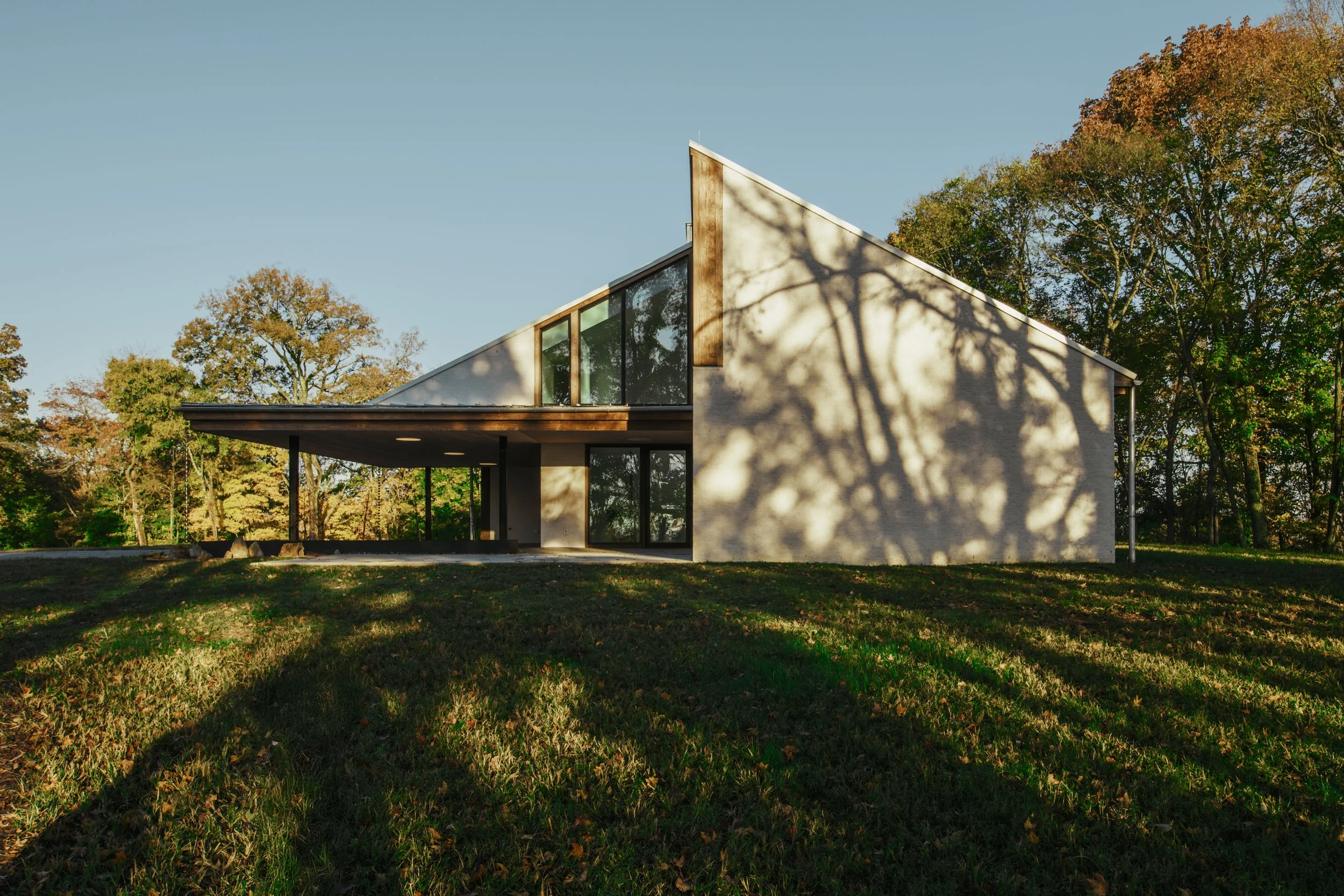
A family of four—two children, horses, and chickens—requested a glass house overlooking a pastoral Tennessee landscape. One partner sought a home rooted to its site, with uninterrupted views and a deep connection to native wildlife. The other asked that the design integrate the principles of Feng Shui, from the home's orientation to the placement of every essential room. Both desired interiors that dissolved the boundary between inside and outside.
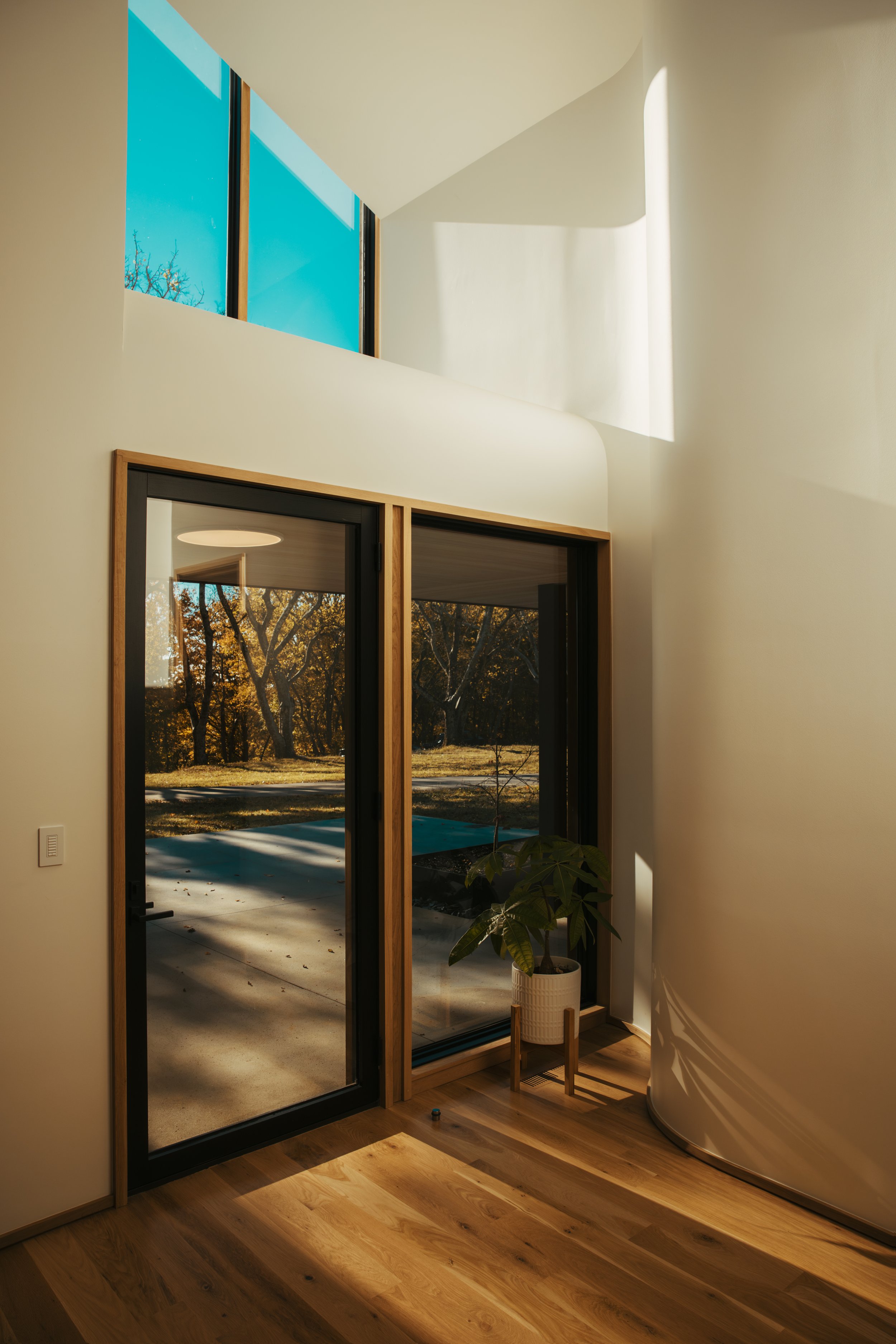
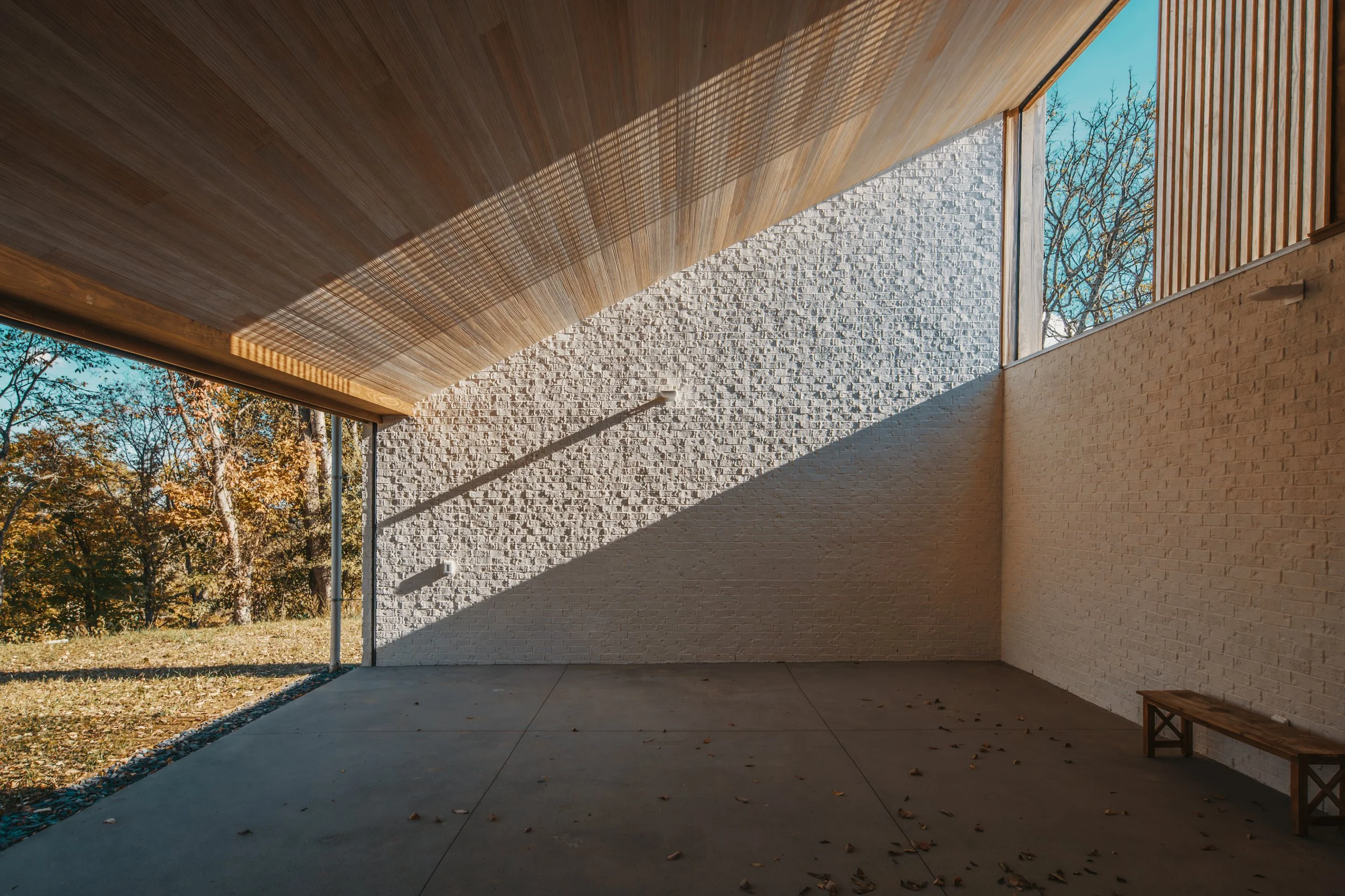
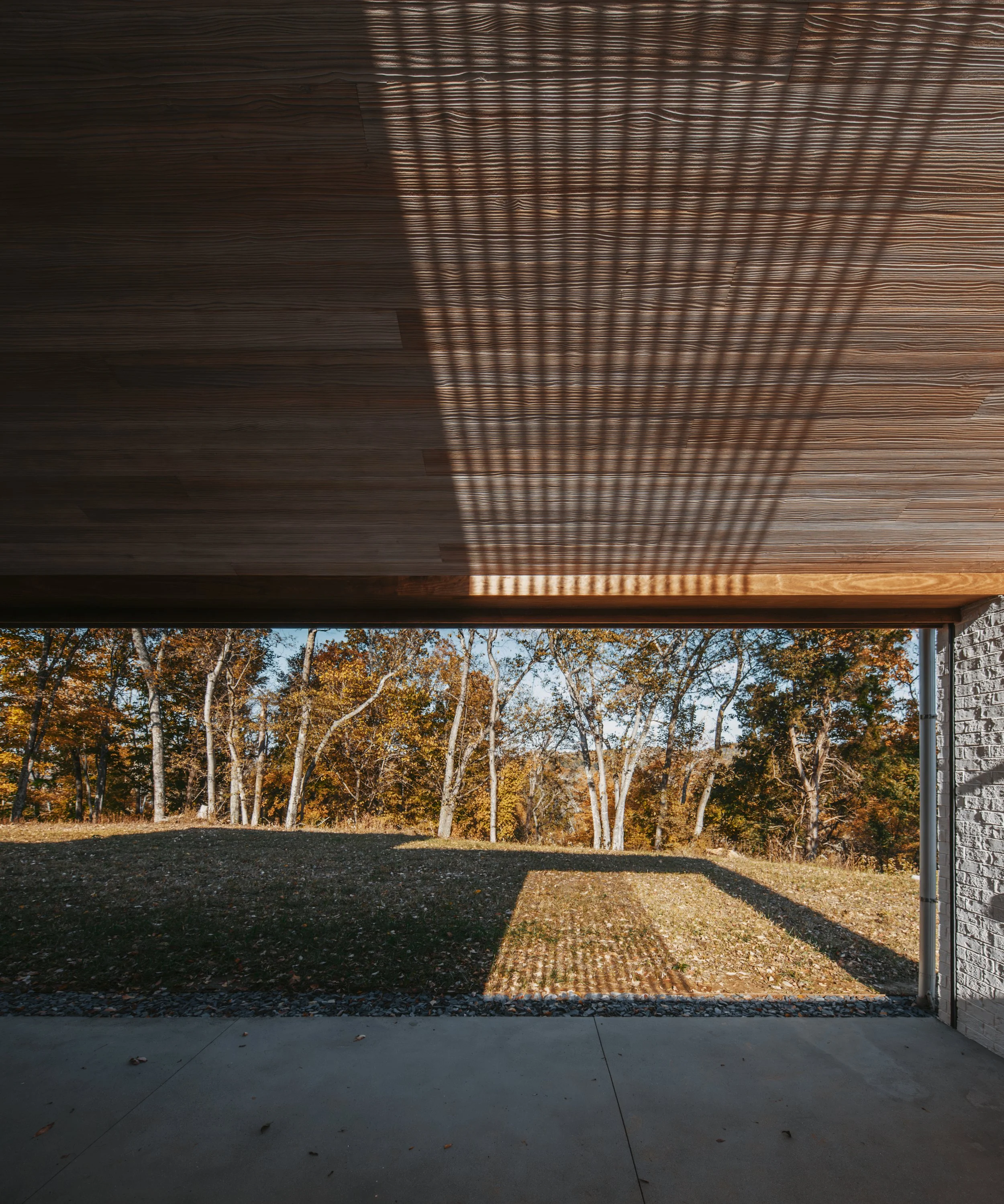
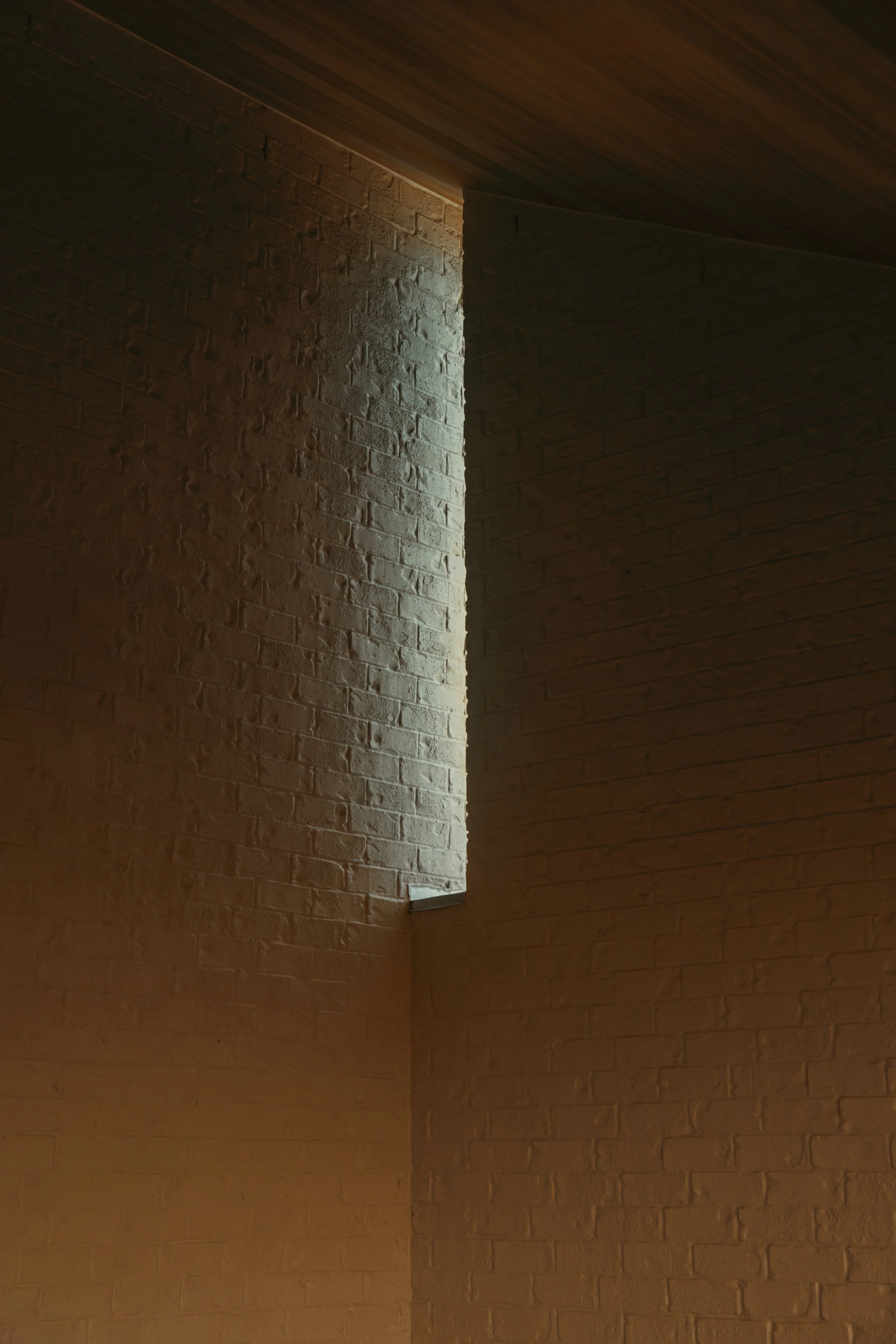
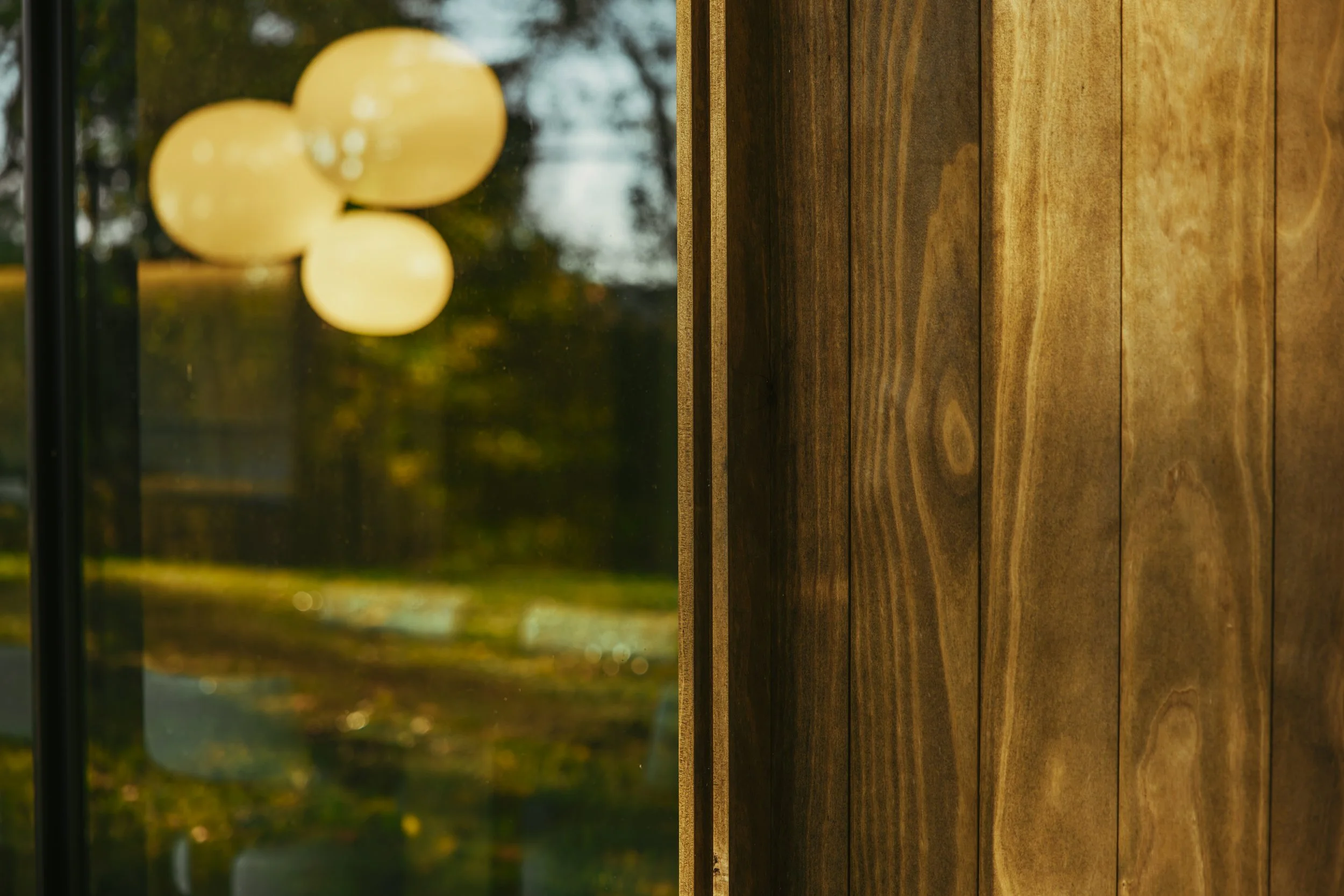
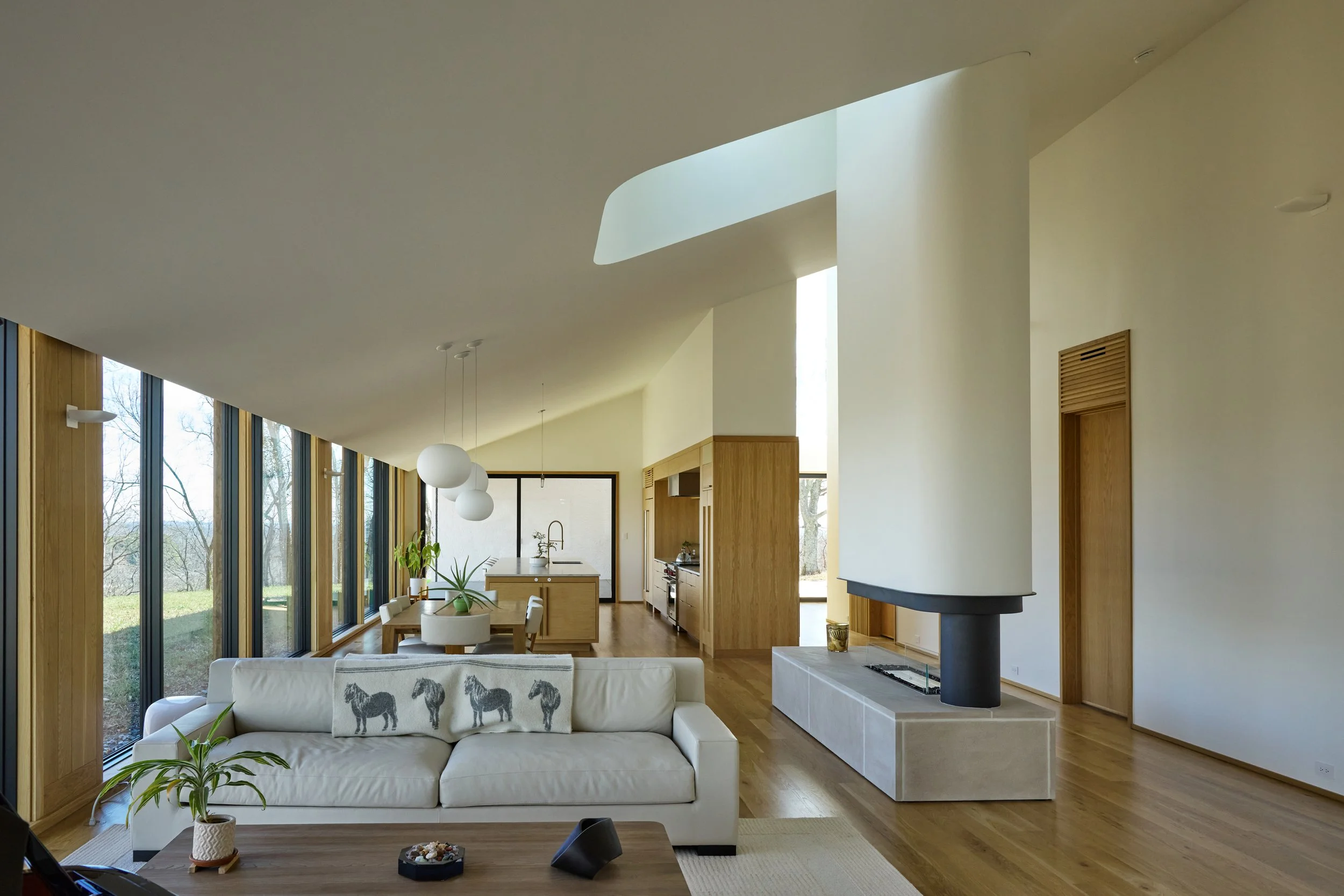
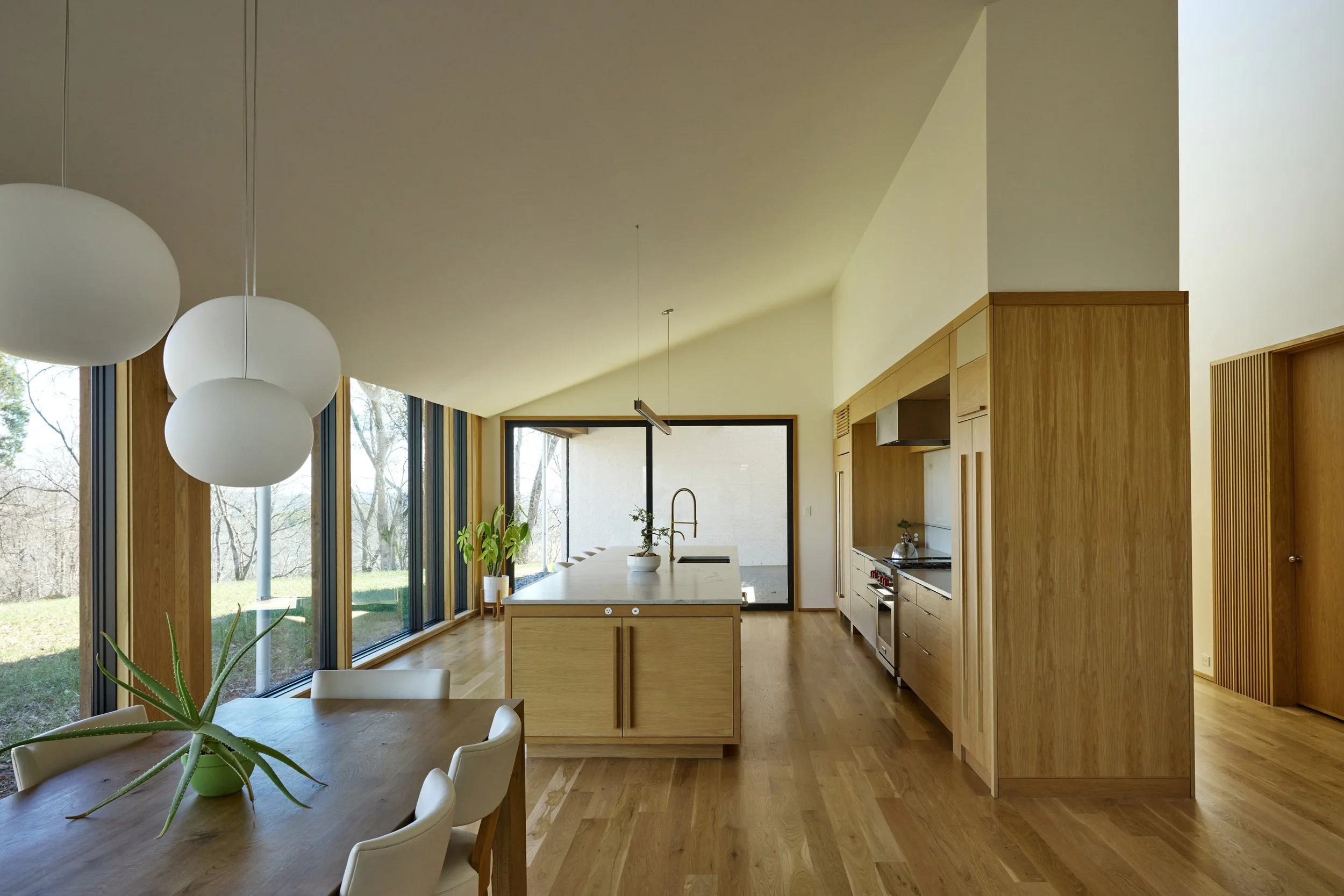
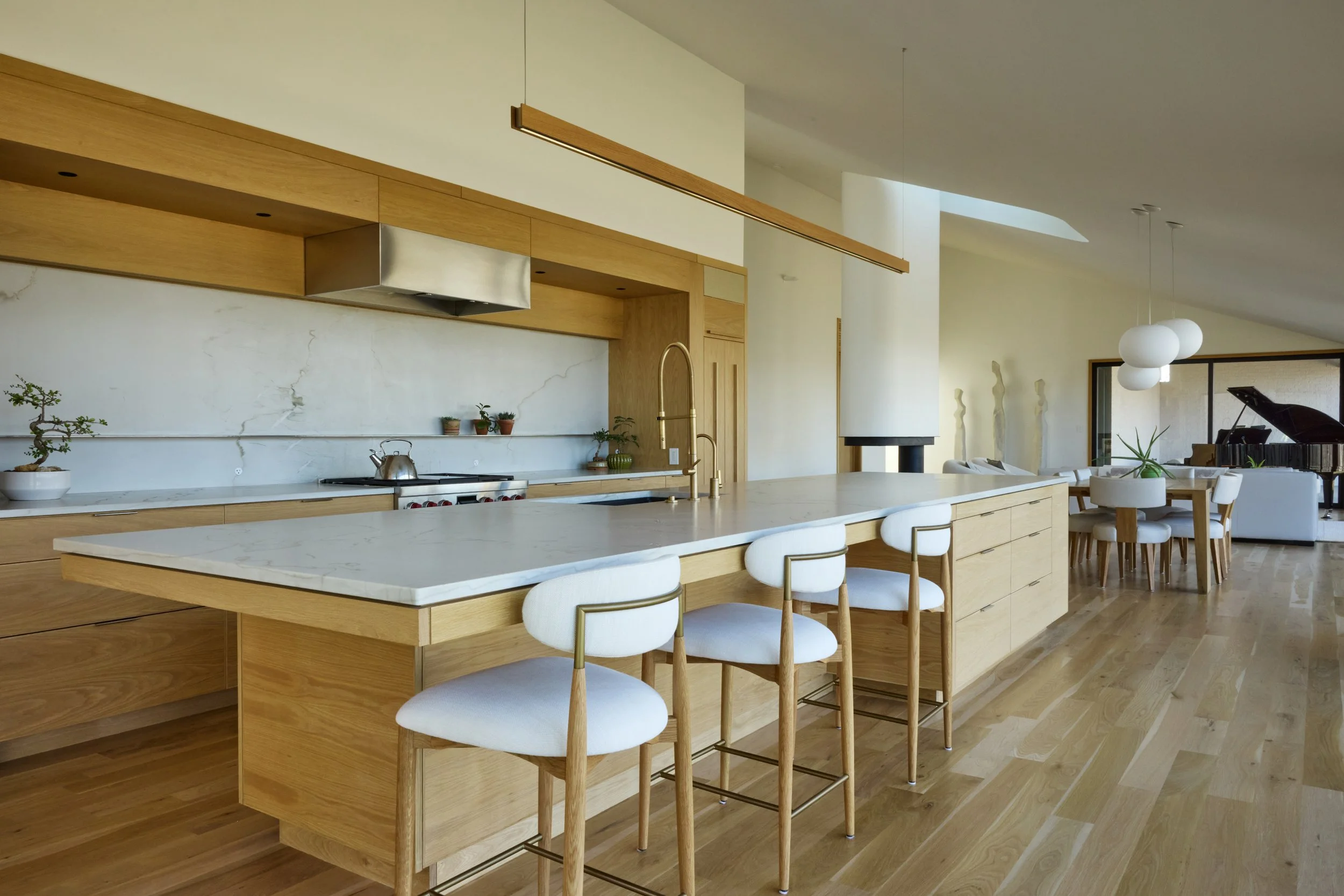
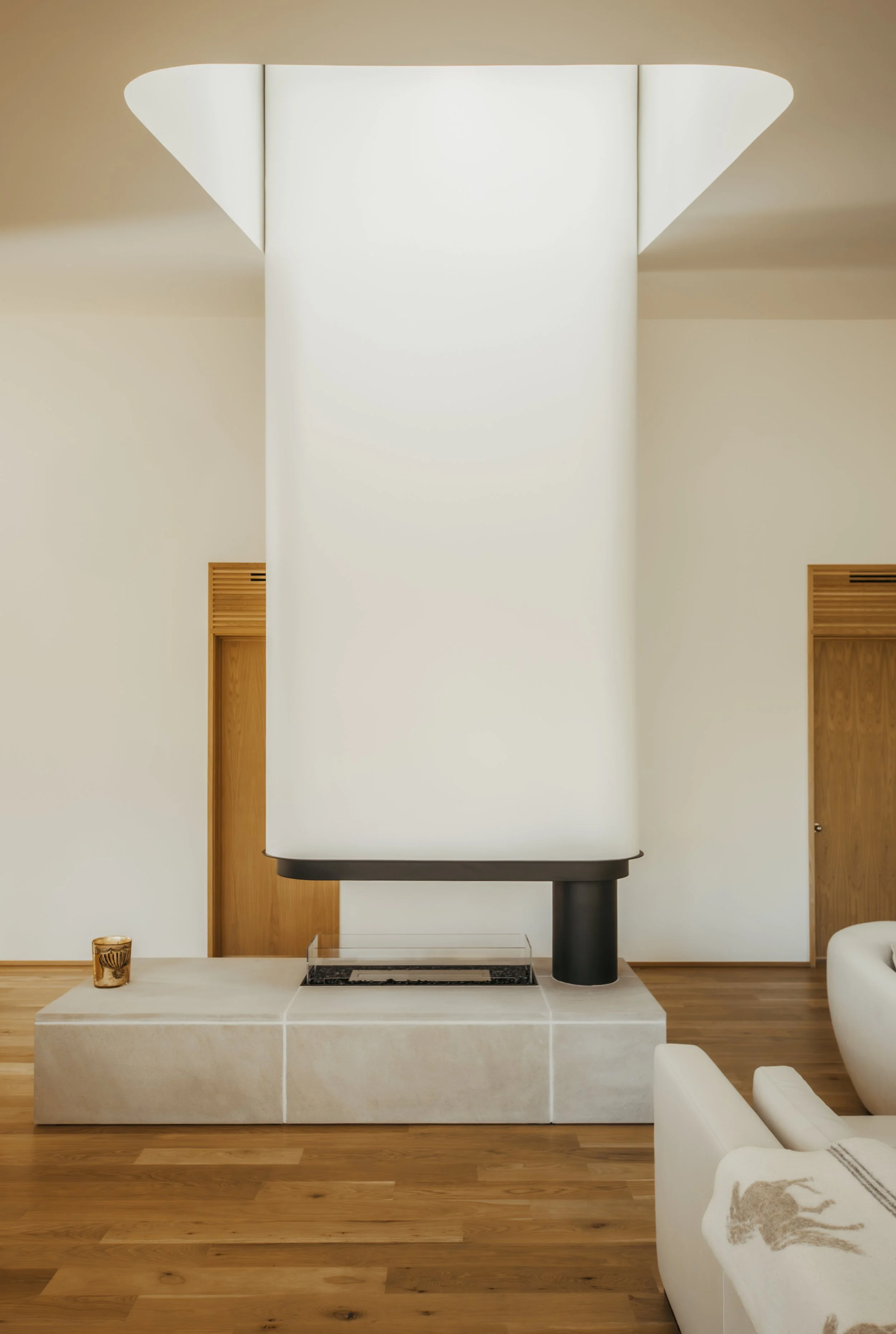
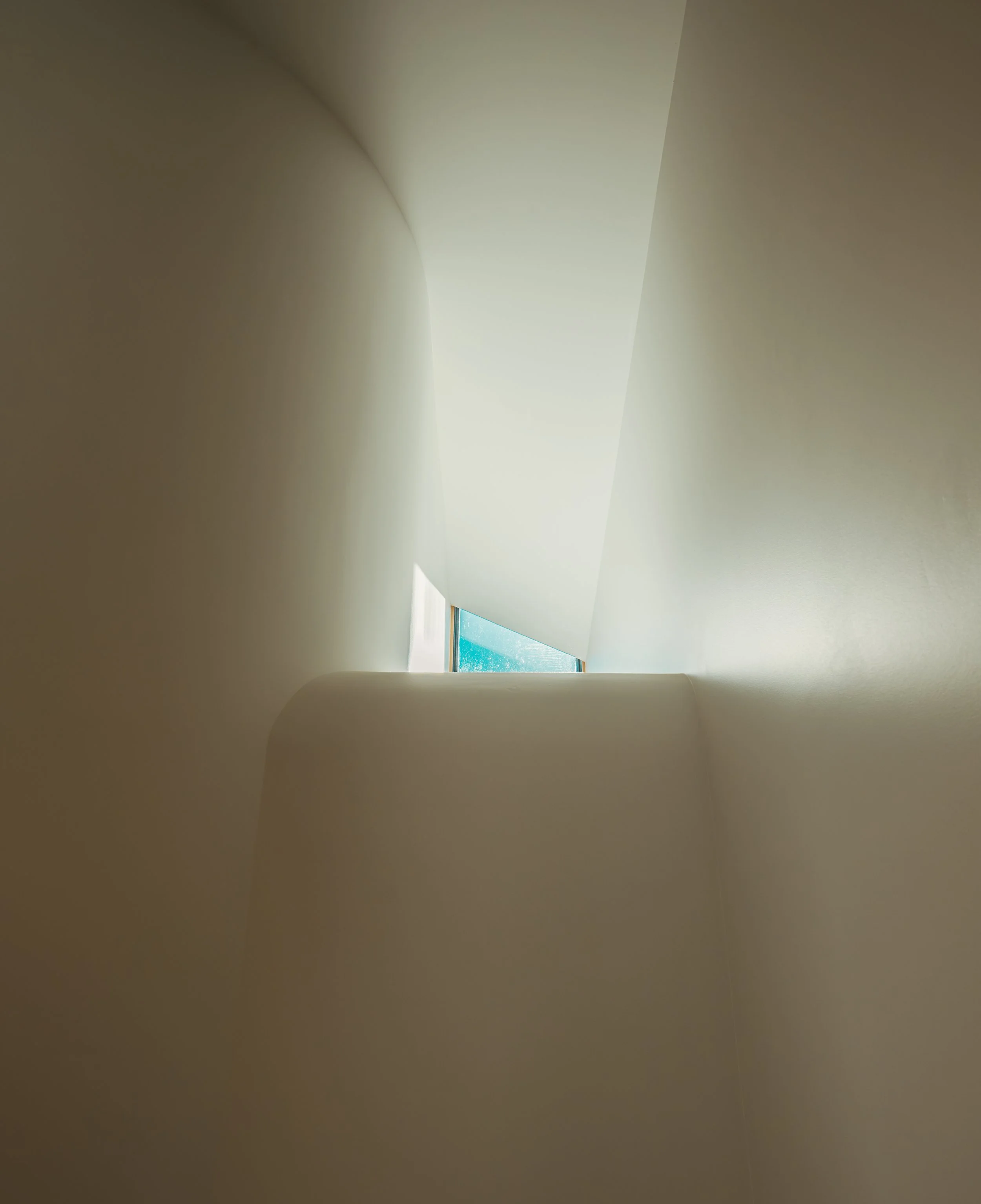
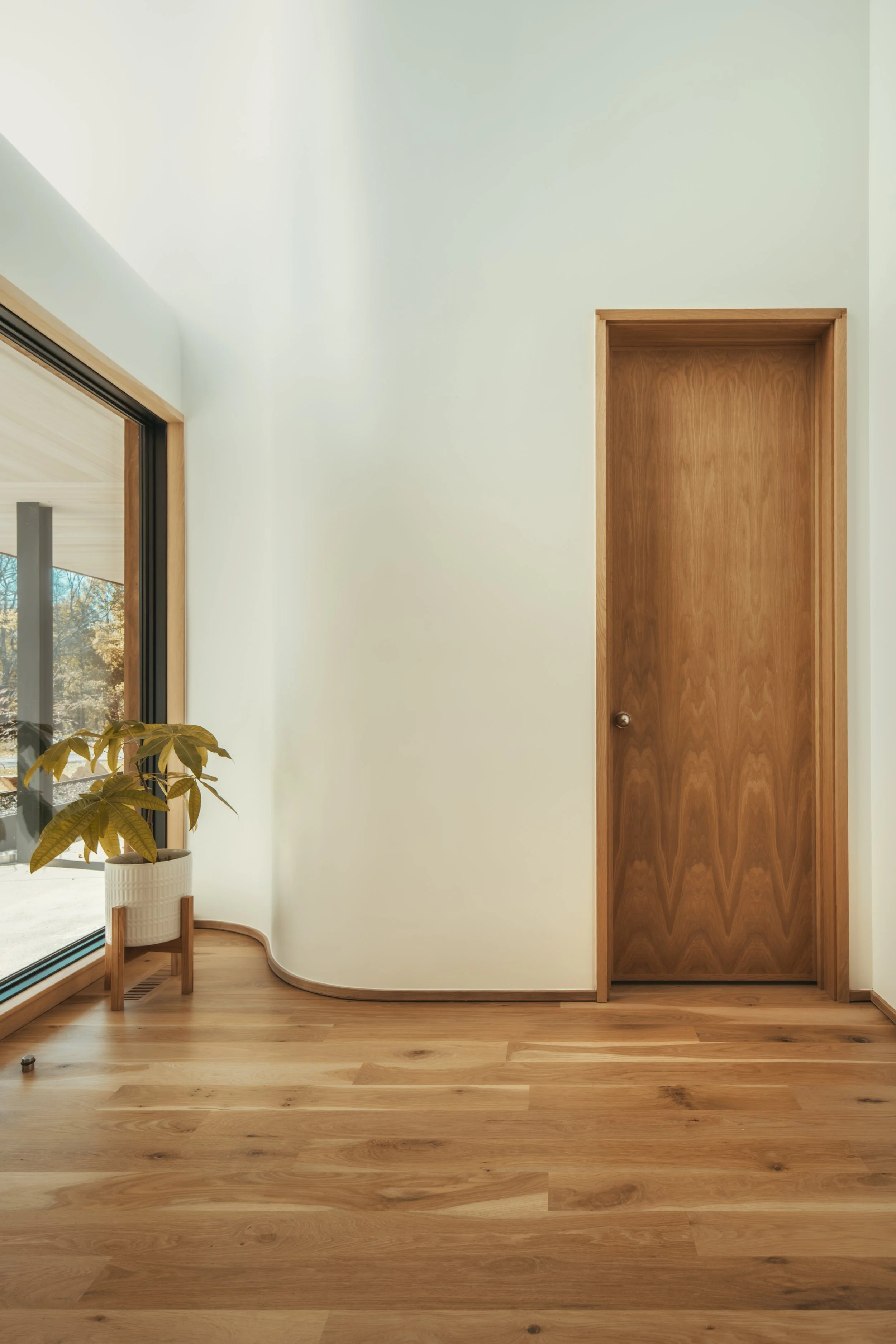
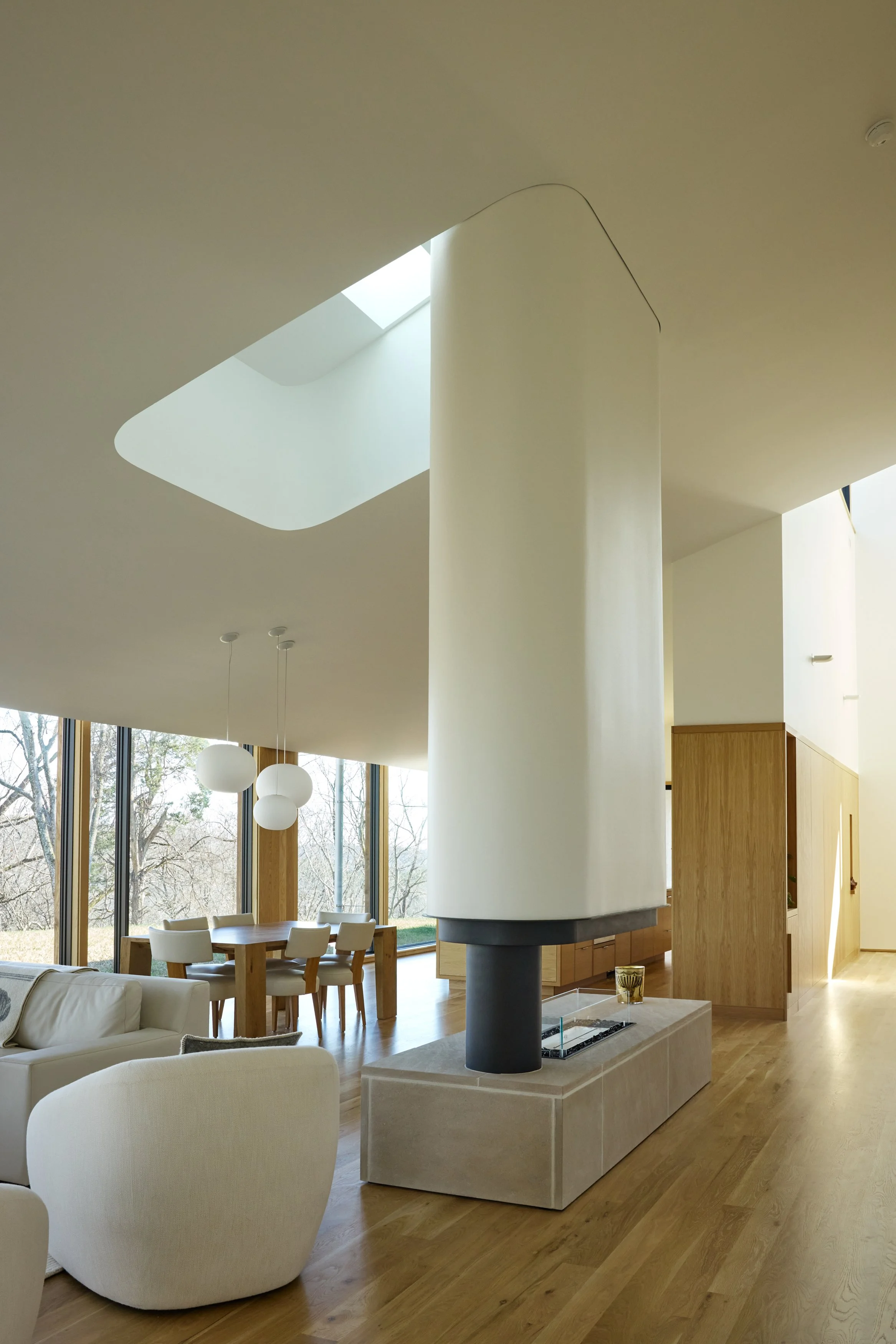
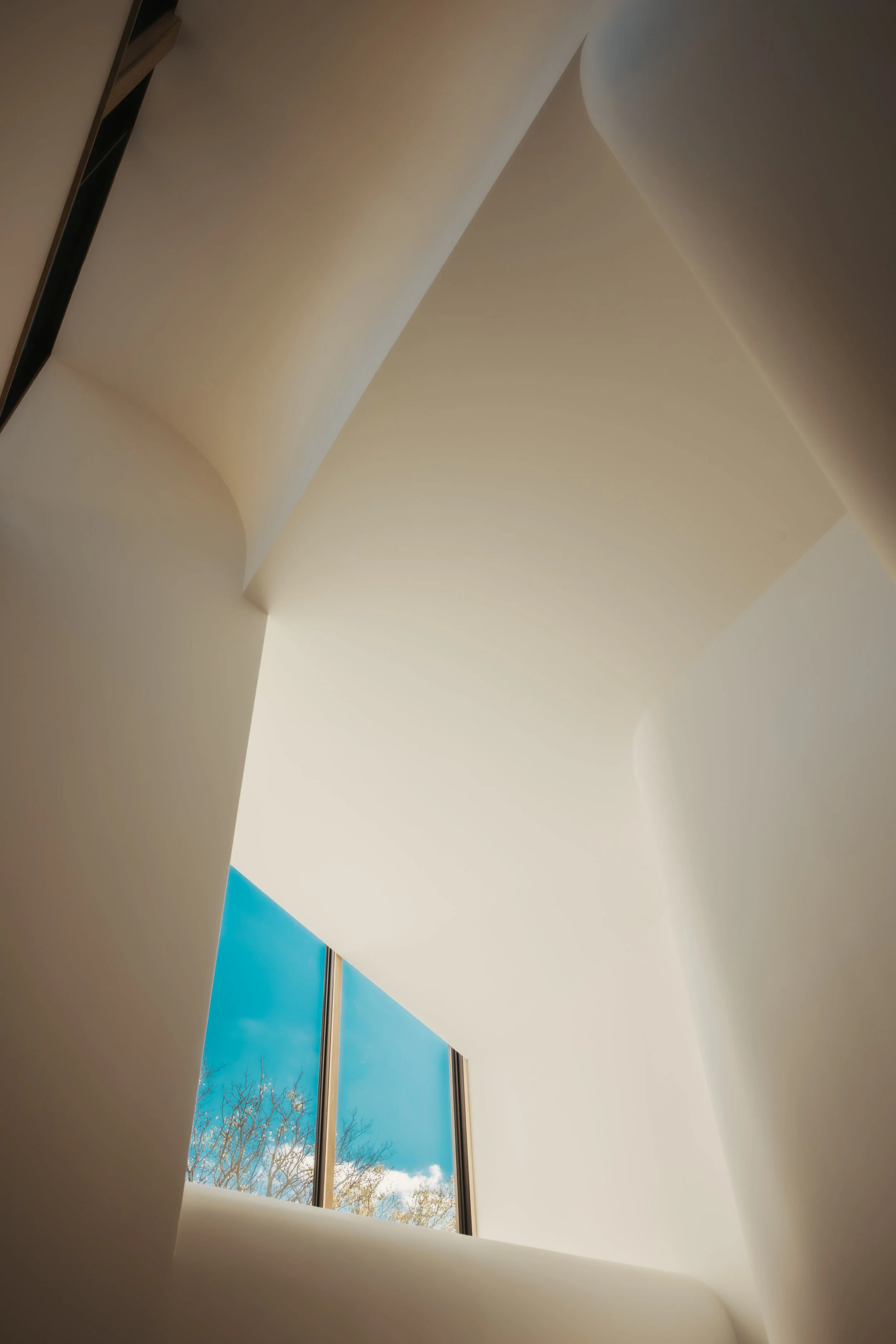
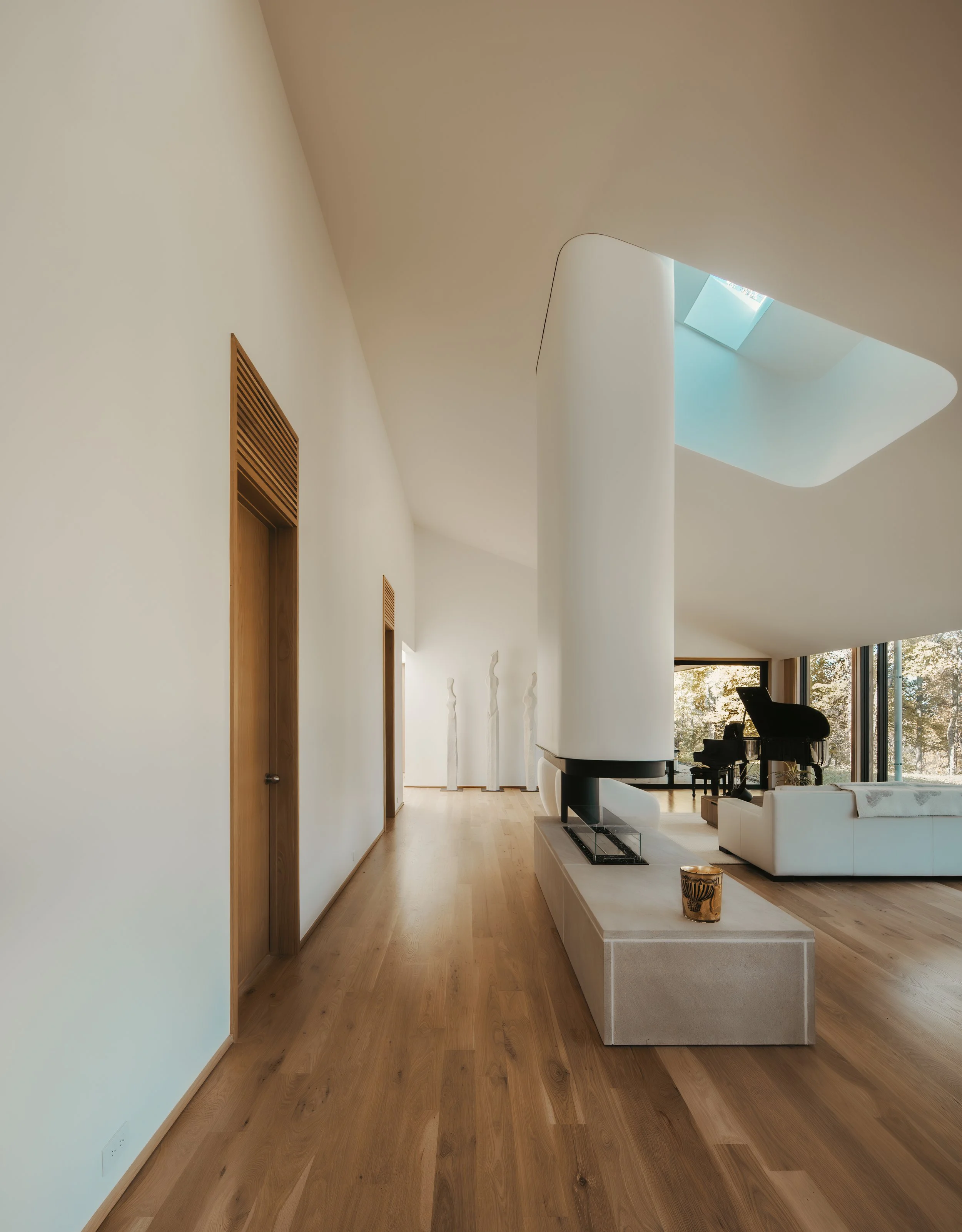
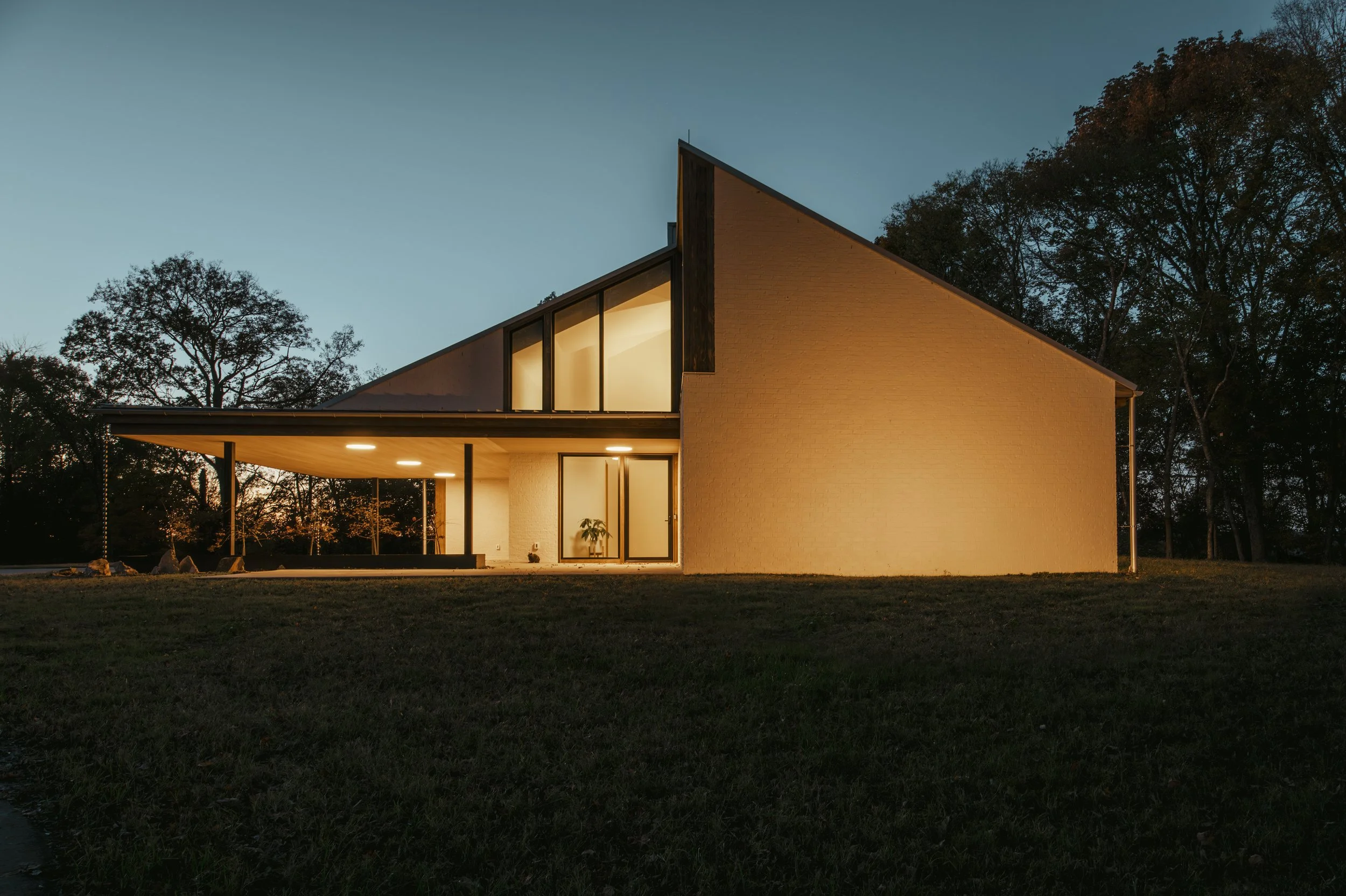
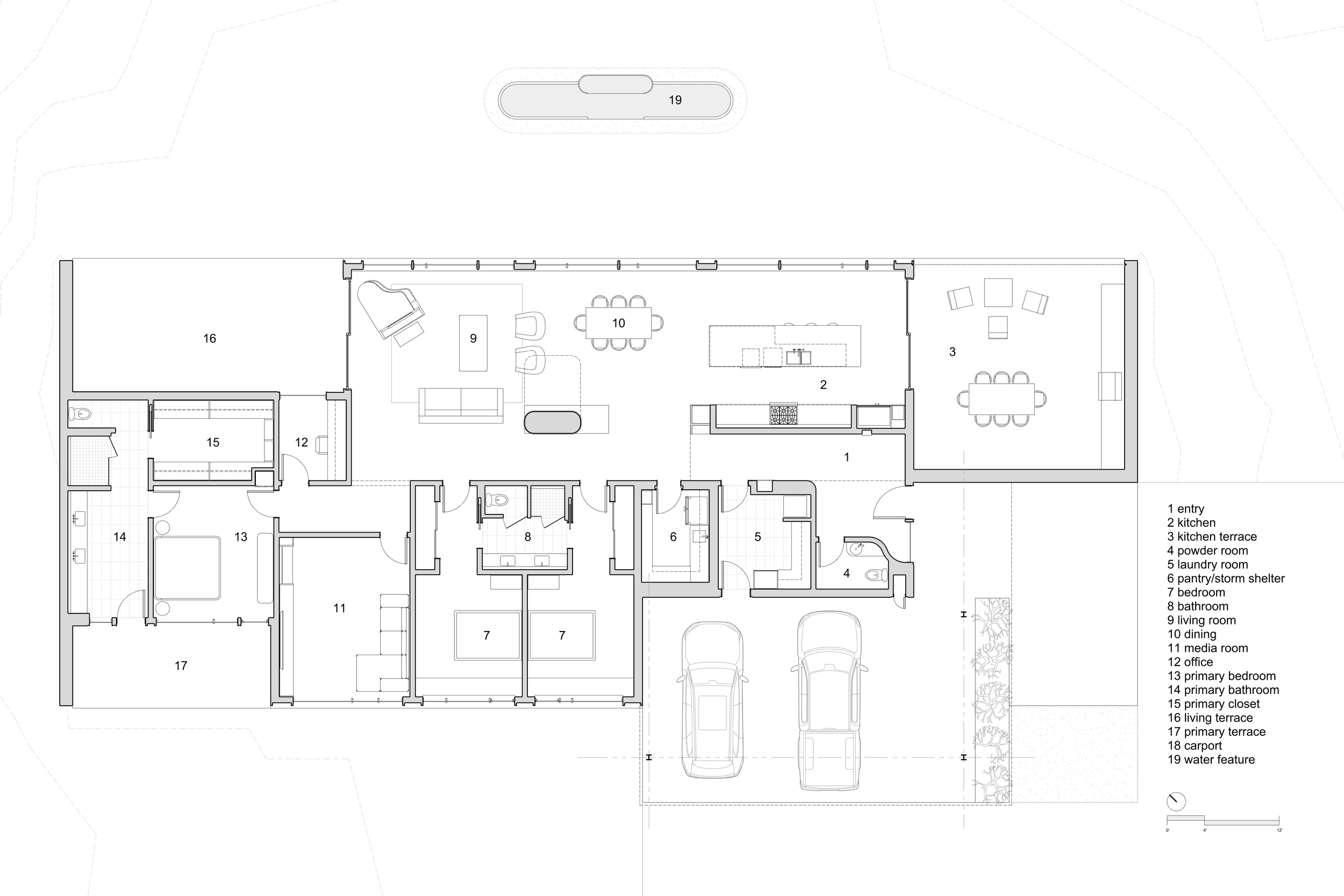
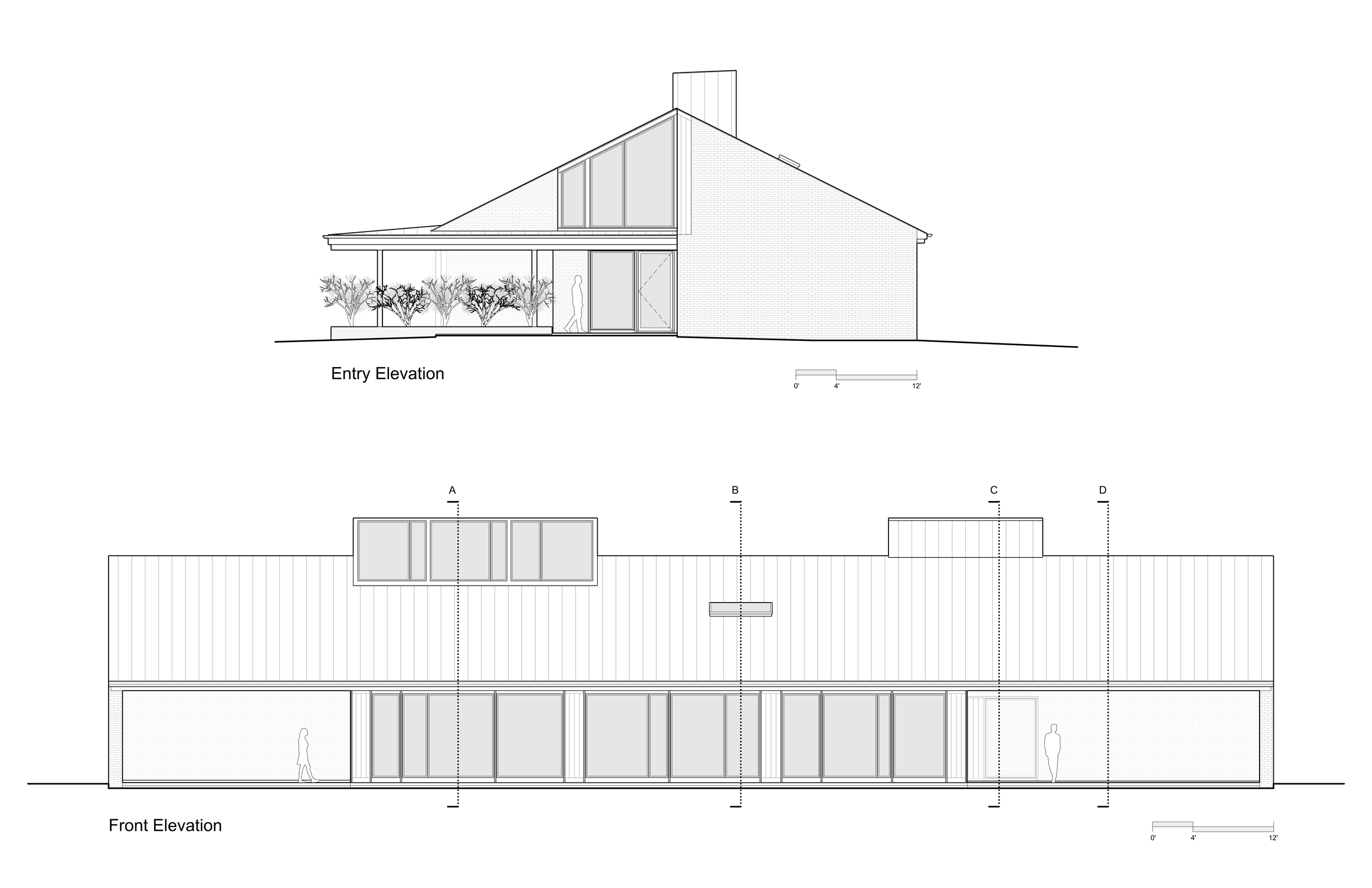
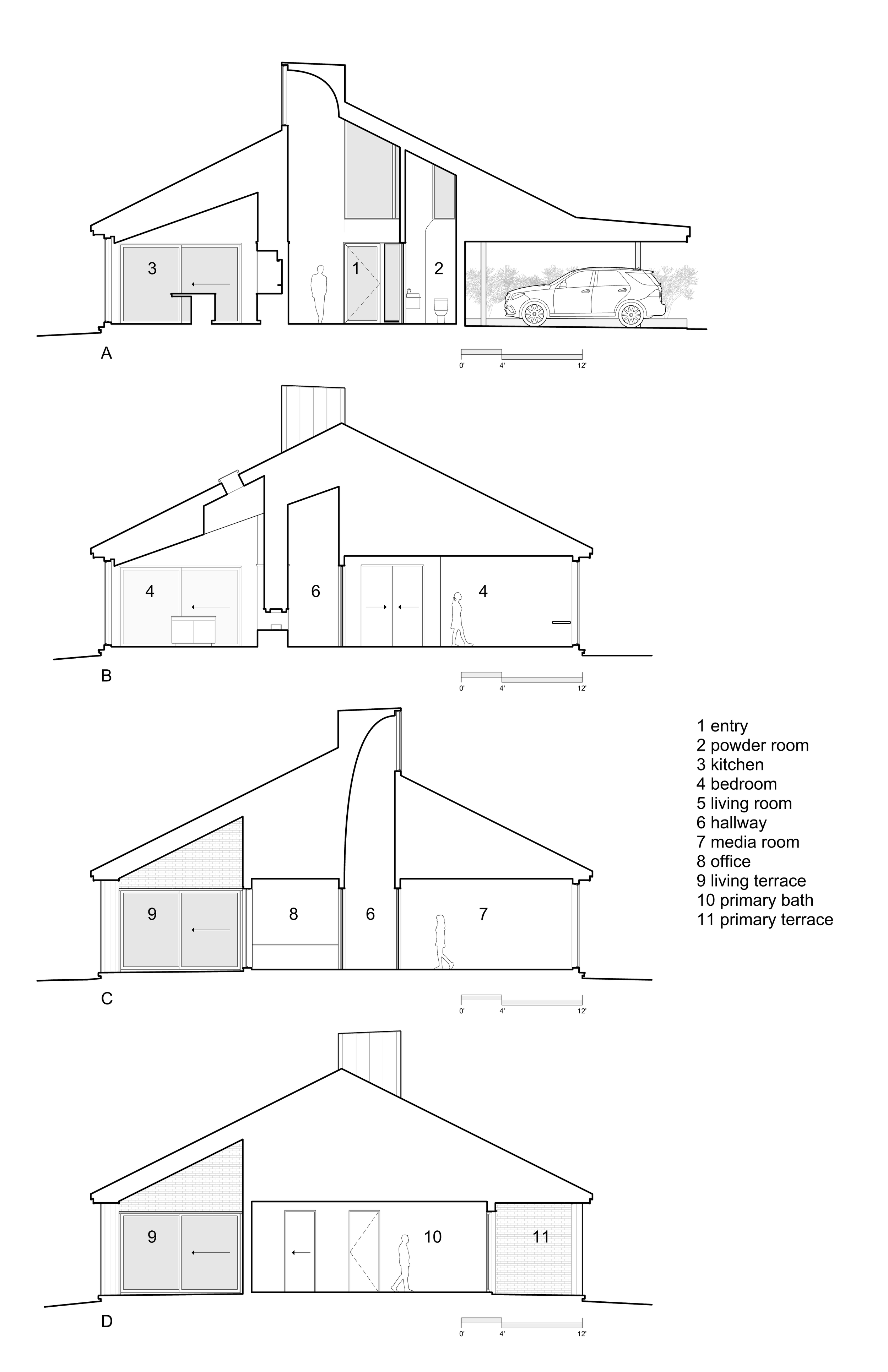
Using the family's birth dates and projected move-in date—falling within the 20 year Period 8 cycle—we established the home's primary orientation through the Kua Number System and Geomantic Chart. A nine-square grid was overlaid on the plan to identify auspicious and inauspicious zones, determining the placement of entry, bedrooms, and kitchen before any other design decisions could follow. Four resulting covered corner porches anchor the layout, reinforcing the home's relationship to land and light. The interior was designed to glow—quietly shifting with daylight and season, cultivating a circadian calm. Rooms blur into one another; living, dining, kitchen, and hallway read as a single continuous field extending outward anchored by the central fireplace. Curving surfaces soften light and encourage energy to flow.
Every decision—trim, appliances, glazing—grew from the clients' desire for clarity. Feng Shui and passive design strategy proved natural allies: orientation, natural ventilation, and the movement of energy through space share an underlying logic. The house, now a Period 9 House, continues to evolve. A northeast-facing fountain addresses the shift in energy—a reminder that Feng Shui, like architecture, is never finished.
HOUSE Credits
Architecture: Principal Architect, Michael Goorevich with Project Architect, Jack Mcaters
General Contractor: Craig Huseby of Huseby Homes with Project Manager, George Bullock
Structural Engineer: Ruth Alwes
Millwork: Just Plane Wood, Roger Gramm
Photography: Anthony Matula and Kate Dearman
AWARDS
2026 American Institute of Architect, AIA Tennessee Design Award of Excellence